Book Review: Why Did Steve Jobs Choose the Zen Way of Life? — Business and Zen
Most people know Steve Jobs, the mastermind behind Apple. But fewer realize just how deeply he was influenced by Zen. Jobs applied Zen principles to managing Apple, one of the world’s most cutting-edge tech companies, and left behind many unforgettable quotes along the way.
This book explores those quotes through a double lens: Teruya Kuwabara, an economic journalist who knows Jobs inside and out, and Toen Fujiwara, the head priest of Hotaiji Temple (Rinzai sect), who knew nothing about Jobs. Why did Jobs study Zen? And how did those teachings play out in his business? Reading this, you start to see the surprising common ground between two worlds that seem like complete opposites.

Jobs Saw Work as Life Itself
“I’ve never thought of my life as a career. I’ve just done things that needed doing. That’s not what you’d call a career. That’s my life."
— Steve Jobs (Why Did Steve Jobs Choose the Zen Way of Life?, co-authored by Teruya Kuwabara and Toen Fujiwara, PHP Institute)
This was Jobs’ answer when asked why he worked so hard. For him and his team, it was never about the money—they were simply obsessed with creating great products. They worked tirelessly because they were genuinely having the time of their lives. To them, it wasn’t just a job; it was life itself.
Zen training works the same way. It’s not something forced on you by anyone else. You step onto the path voluntarily in pursuit of enlightenment.
“I attached value to experience over intellectual understanding. I became very interested in people who had discovered something more conscious than intellectual or abstract understanding." ーSteve Jobs
Back in his college days, students were largely split between political activists and the hippie movement. Jobs was drawn to hippie culture, diving into various religions and philosophies, though none fully satisfied him. Then he discovered how much Eastern culture had influenced the hippies, which led him to Zen. Meeting a remarkable Zen monk, he became captivated by teachings that prioritized lived experience over mere theory. The quote above reflects that turning point.
Priest Fujiwara frames this mindset with the Zen phrase Reidan Jichi (冷暖自知)—literally, “knowing for yourself whether water is warm or cold." You don’t get it by overthinking; you get it by touching or drinking it. Jobs was deeply drawn to this idea of learning through direct experience.
Jobs also spoke about the concept of a beginner’s mind: “I hear there’s a phrase in Buddhism called 'beginner’s mind.’ Having a beginner’s mind is a wonderful thing." When Kuwabara brings this up, Priest Fujiwara responds with the Zen equivalent: Hatsubodaishin (発菩提心—awakening the mind of enlightenment). The entire book flows through this engaging back-and-forth dialogue.
Pairing Jobs’ Words with Zen Concepts
The book is divided into five chapters, pairing 54 of Jobs’ everyday sayings with corresponding Zen concepts:
Chapter 1: Life and Zen
Chapter 2: Inspiration and Zen
Chapter 3: Business and Zen
Chapter 4: Perseverance and Zen
Chapter 5: Ichigo Ichie (Treasuring Every Encounter) and Zen
When asked about his competitors, Jobs replied, “Rivals? I don’t have any rivals." In Zen, this translates to self-cultivation (Jiko Keihatsu 自己啓発).“The people who are crazy enough to think they can change the world are the ones who do." This aligns with Shishoku o Tomosu 紙燭を灯す (lighting a paper candle to illuminate the dark).
When Jobs struggled to trust his Zen master’s advice, he later realized: “He was right—what isn’t here isn’t over there either." This mirrors Kankyakuka 看却下 (look beneath your feet; focus on where you stand).
“If we’re going to focus on five products, we have to pick those five and drop everything else. Otherwise, you end up with reasonable products that just aren’t great." This reflects the spirit of Zazen-nomi 座禅のみの精神 (single-minded focus, like sitting in zazen). Classic Jobs.
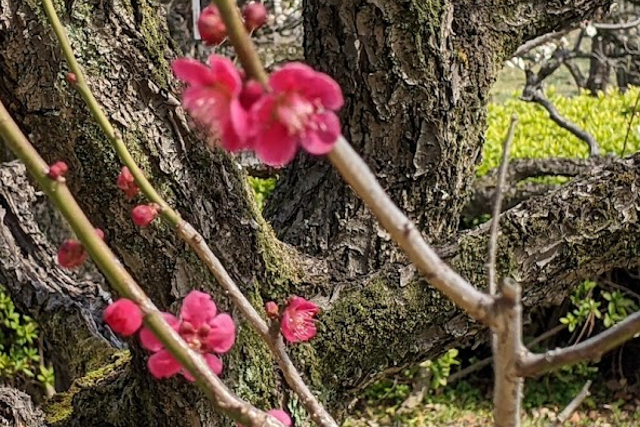
“I know those guys are complaining about me. But somewhere down the road, they’ll look back and realize this was one of the best times of their lives." This embodies Baika Hana o Utsu 梅花鼻をうつ (plum blossoms fragrance the air)—meaning that just as the plum tree endured the harsh winter to bloom earliest and sweetest, true value comes through enduring hardship.
The side-by-side comparison between Jobs’ candid words and Zen concepts is simply brilliant.
“Intuition is a very powerful thing—more powerful than intellect, in my opinion. That realization has had a big impact on my work." This maps to the consciousness of Kū 空の意識(emptiness/pure perception).
“I want to help pass down the lineage of great companies here and teach the next generation how to protect that legacy. Silicon Valley has given me so much, so I need to give something back." This connects to Ippon no Taiju 一本の大樹 (a single grand tree that provides shade and shelter for all).
Japanese Entrepreneurs Who Walked the Path Before Jobs
During Japan’s post-war economic boom, there were plenty of entrepreneurs who worked with that same Jobs-like spirit.
Soichiro Honda kept pushing car development while locking horns with the Ministry of International Trade and Industry. Masao Ogura built Yamato Transport’s door-to-door delivery service despite lawsuits from the Ministry of Posts. Sony’s Akio Morita and Masaru Ibuka built transistor radios to take on the US market. Kyocera’s Kazuo Inamori poured his life into expanding the uses of industrial ceramics. Every one of them poured their life into their work because they truly believed their business was serving society.
Engineers at Seiko developing quartz watches, Casio and Sharp making compact calculators, and Tokyo Women’s Medical University alongside Toray developing hemodialysis machines—they all worked day and night, forgetting to eat or sleep. You can read all about them in Katsuto Uchihashi’s book, The Era of Master Craftsmen (Takumi no Jidai). Product development for these people wasn’t just a job; it was their life. It was pure Shikan Taza 只管打坐 (single-minded devotion).
As Long as the Zen Spirit Remains, Japan Will Be Fine
A great cabinetmaker doesn’t use cheap plywood for the back of a cabinet just because no one sees it. Jobs poured everything into making things beautiful inside and out. When a designer asked why they had to make the internal circuit boards look good—“Who’s going to look inside?"—Jobs simply answered, “I will."
There is genuine emotion in the actions of true creators. Jobs was less a typical CEO and more an artist. His words hit differently than those of investors or Wall Street traders. An investor’s job is to accumulate wealth, but Zen is about letting go. Zen has little in common with making money, but it shares almost everything with the art of craftsmanship.
These days, the media is full of gloom, constantly repeating that Japanese tech is falling behind the world. It’s a non-stop chorus telling us to learn from China, South Korea, or Taiwan, not to mention the US. When a Japanese scientist wins a Nobel Prize, commentators immediately warn that Japan won’t win any more. When Toyota hits record profits, they claim the shift to EVs will lead to its demise.
Why can’t we just celebrate these wins? If there are worries about the future, we face them head-on. Why beat ourselves up or obsess over what others think? Jobs and his peers didn’t waste time caring about external validation—they just charged straight toward their goals. That’s the vital lesson Zen teaches us.
Just like Jobs, Japanese people need to immerse themselves in their craft once again. Now is the time to bring the spirit of Zen back to life. Learning from Zen changes the way we work. And if you can throw yourself into your work like Jobs did—even for a chapter of your life—it will undoubtedly leave you richer for it.
本 「 なぜジョブスはなぜ禅の生き方を選んだのか」 ビジネスと禅
たいていの人はアップルのスティーブ・ジョブズを知っているが、彼が禅に傾倒していたことを知る人は少ないだろう。ジョブズはIT最先端企業アップルの経営に禅の心を活かし数々の素晴らしい言葉を残している。
ジョブズが残した禅の言葉を、ジョブズに精通する経済ジャーナリストの桑原晃弥氏と、彼を知らない臨済宗妙心寺派宝泰寺住職の藤原東演氏が解説したのがこの本である。ジョブズはなぜ禅を学んだのか、その教えはどのようにビジネスに活かされたか。禅とビジネス、一見対照的な二つに共通点が見えてくる。
ジョブスは働くのは人生だといった
自分の人生をキャリアとして考えたことはない。なすべき仕事を手がけてきただけだよ。それはキャリアと呼べるようなものではない。これは、私の人生なんだ。
スティーブ・ジョブス なぜジョブスは禅の生き方を選んだのか 桑原空弥・藤原東演共著 PHP
なぜそんなに働くのかと聞かれたときのジョブズの答えである。彼らはお金のためでなく製品を開発するのに夢中だった。やっていることが純粋に楽しく猛烈に働いた。彼らにとってそれは仕事ではなく人生だった。禅の修行も同じである。誰かにやらされるのでない。悟りを求めて自らが進んで行うものだ。
僕は知的理解より体験に価値をおいていた。僕は知的、抽象的理解より、もっと意識のあるものを発見した人々に非常に興味をもった。
同著
ジョブズが大学生の頃、学生は政治活動派とヒッピームーブメント派に別れていた。彼はヒッピー文化に興味を持ち色んな宗教や思想に傾倒した。しかし満足できなかった。そんなとき東洋文化がヒッピー文化に大きな影響を与えたことを知り禅に興味を持つ。そこで素晴らしい禅僧と出会い実践を重んじる教えに傾倒していく。その頃の言葉である
藤原氏はその言葉を「冷暖自治」とする。水が暖かいか冷たいか、それは触るか飲めばすぐにわかる。ごちゃごちゃ考えるよりも体験すれば分かるのだ。ジョブズはこの「冷暖自治」の心に惹かれた。彼は禅の初心についても語っている。「仏教には初心という言葉があるそうです、初心を持つのは素晴らしいことです」桑原氏がそれを紹介すると藤原禅師が「発菩提心」であると答えた。その形式で対話が進んで行く。
ジョブズの口語と禅語の対比
第一章「人生と禅」
本文は五章からなり、ジョブズの54の言葉と対比される禅語が説明されている。
第二章「ひらめきと禅」
第三章は「ビジネスと禅」
第四章は「忍耐と禅」
第五章は「一期一会と禅」
「ライバル?僕にはライバルはいないよ」ライバルについて質問されたときこう答えた。禅で言えば「自己啓発」になる。
「変えられると本気で信じられる人こそが、本当に世界を変えているのだ」は「紙燭を灯す」だ。
「ここに無い物は向こうにもないからって、彼(禅の師)は正しかった」師に言われた言葉に確信が持てず悩んだ末の言葉は「看却下」である。
「五つの製品に集中するとすればどれかを選ぶ、他は全部やめてしまえ。選ばないとリーズナブルだけど凄くない製品しかだせなくなってしまう」は「座禅のみの精神」となる。彼らしい言葉だ。
「あの連中が僕のことで文句を言っているのは承知している。だけど、将来いつか振り返れば、今この時期が人生最高のひと時だったと思うだろう」は「梅花鼻をうつ」だ。梅は冬の厳しさを味わうからこそ、どの花より早く香り高い花を咲かせるのだ。
このようにジョブズの口語と禅語の対比が素晴らしい。
「直感はとてもパワフルなんだ。僕は知力よりパワフルだと思う。この認識は、僕の仕事に大きな影響を与えてきた」は「空の意識」
「このあたりの偉大な会社の血統や、その伝統を守る方法を次の世代に伝える手助けをしたい。シリコンバレーにはずいぶん助けられたんだ、少しでも恩返しをしなきゃね」は「一本の大樹」である。
ジョブズに先んじた日本の起業家たち
日本にもジョブズのように働く人たちが高度成長期には多くいた。ホンダの本田総一郎は通産省と喧嘩しながら自動車開発を続けた、クロネコヤマトの小倉昌男は郵政省に訴訟をおこされながらも宅配便を作った。ソニーの森田昭夫と井深大はトランジスタラジオを作り米国に挑戦した、京セラの稲森和夫はセラミックの用途拡大に全力を尽くした。彼らは自分の事業が社会のためになると信じて人生をかけた。
クオーツ時計を開発したセイコー、小型電卓のカシオとシャープ、人工透析器を開発した東京女子医大と東レ、技術者たちは寝食を忘れて働いたのである。それは内橋克人の著書「匠の時代」に詳しい。製品開発は当時の企業人にとって仕事ではなく人生だった。只管打座だったのである。
日本人に禅の精神がある限り、日本は大丈夫
すぐれた家具職人は、誰も見ないからとキャビネットの背面を粗悪な板で作ったりしない。ジョブズは美しい製品をつくることに全力を尽くしている。コンピューター内部の基板にまで美しさを求められたデザイナーが、「誰が中までのぞくのですか」と質問したところ、答えは「僕がのぞくのさ」
同著
何かを生み出す人の行動には感動がある。ジョブズは経営者というより芸術家に近い。その言葉は投資家やトレーダーの言葉とは一味違う。投資家は金を集めることが仕事だが禅は捨てることだ。禅は金儲けと共通点が少ないが物作りとは共通点が多い。
今メディアから聞こえて来るのは、日本の技術開発力は世界から大きく遅れていると悲観論ばかりだ。米国はもとより中国に学べ韓国や台湾に学べの大合唱である。日本人がノーベル賞を受賞すれば今後は取れなくなると言い、トヨタが最高益を上げれば電気自動車へのシフトで没落するという。
なぜ快挙を素直に喜べないのか、将来に不安があるならに立ち向かえば良い。むやみに卑下したり他者の評価を気にしてどうするのだ。ジョブズたちは評価を気にするより目標に向かってひたむきに進んだ。禅からその大切さを学んだ。日本人はジョブズたちのように仕事に没頭しないといけない。今こそ禅の教えを活かすときなのである。禅を学べば働き方が変わる。人生の一時期、ジョブズたちのように仕事に打ち込めれば人生は豊かになるに違いない。