Japanese Thinking: I Can’t Keep Up with Chinese Short Dramas
“This is no place for a poor person like you," “Isn’t your husband the building manager?" “If you don’t get out of here, you’ll suffer a terrible fate," a plump woman wearing gaudy makeup rambles in Chinese. A slender beauty looks down sadly. This woman is truly annoying. Someone please hurry up and defeat her and her accomplices—oh, finally, the time has come.
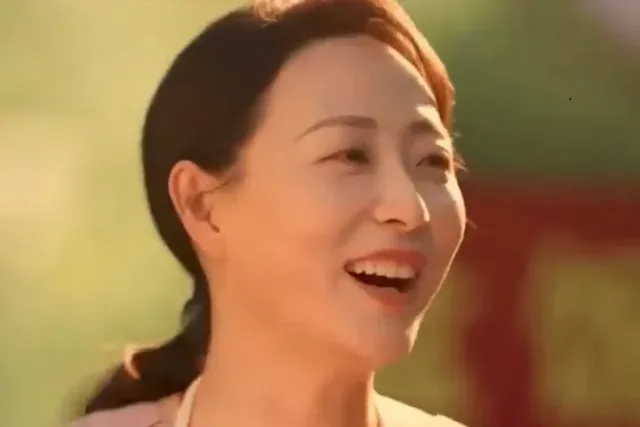
- 1. The catharsis expected from the protagonist who hides his true identity
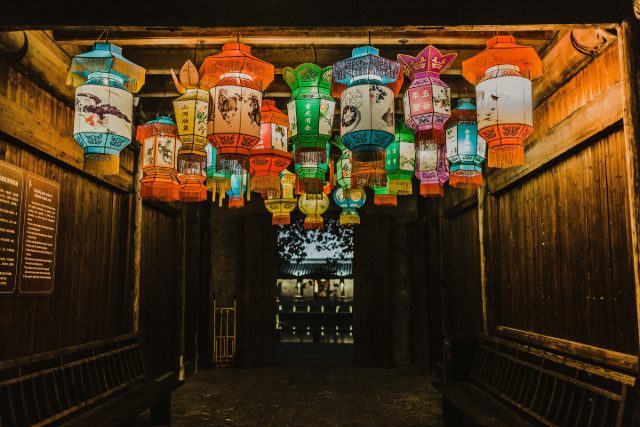
- 2. The rich get away with anything: A drama of bullying and quibbling.
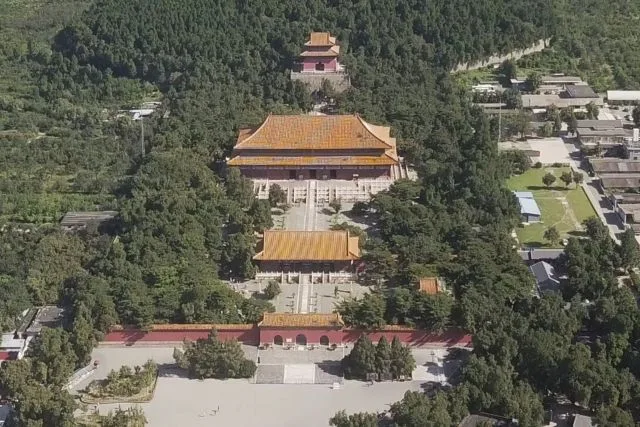
- 3. Genealogy of Tyrants: King Chu of the Shang Dynasty and Emperor Wanli of the Ming Dynasty
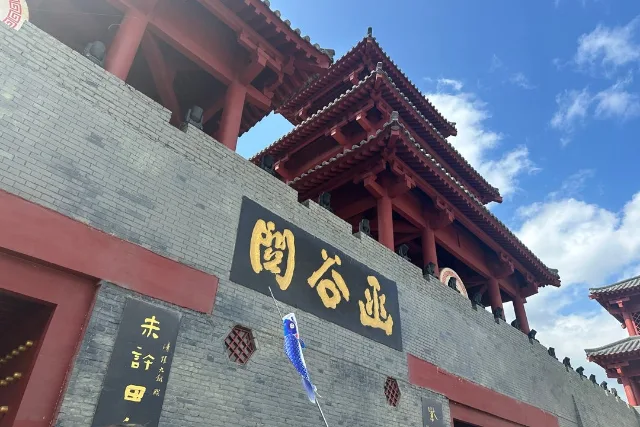
- 4. Chicken Crow Dog Thief(鶏鳴狗盗)
- 5. Virtue and Chivalry in Chinese Society
- 6. Short dramas reflect modern China.
- 7. The unpleasant world of short dramas.
- 8. 日本人の考え方 中国のショートドラマについていけない
- 9. 正体を隠した主人公に期待するカタルシス
- 10. 金持ちは何をしても許される 虐めと屁理屈のドラマ
- 11. 暴君の系譜 殷の紂王と明の萬暦帝
- 12. 鶏鳴狗盗
- 13. 中国社会の徳と任侠
- 14. ショートドラマは現代中国を映しだす
- 15. やっぱり嫌なショートドラマの世界
The catharsis expected from the protagonist who hides his true identity
This is not a real story, but a short drama frequently circulated on Instagram. This drama, produced in China, only has a few storylines, but they’re quite entertaining and addictive. However, when it comes to the crucial part, you have to pay for it. It feels like a waste, but you still want to see the end. China is good at business, as you’d expect.
All the actors are Chinese (although recently, there have been Western and Japanese versions), the dialogue is Chinese, and there are Japanese subtitles. The characters have Japanese names, which is a bit strange. The dramas are set in hotel halls, restaurants, and outdoor plazas. The actors don’t seem to be particularly well-known. The drama progresses almost entirely through dialogue. It’s made very cheaply.
A typical story involves the protagonist hiding their true identity. The protagonist is incredibly wealthy but hides their identity for a reason. Sometimes the protagonist is a martial arts master. Unaware of this, the people around them and their enemies ridicule and bully the protagonist, their girlfriend, and their son. In the end, the protagonist reveals their true identity and punishes the villain, but the journey to get there is very long. The highlight of the story lies not in the punishment, but in the bullying that led up to it.
The story goes like this: The protagonist, who has hidden his true identity, meets a poor but kind-hearted woman. The woman treats him kindly, even though she thinks he’s poor. The protagonist is drawn to her, who shows her affection regardless of money. Up to this point it’s a Cinderella story, but the real action is yet to come. The protagonist invites the woman to a party. The woman arrives at the venue before him. “This isn’t a place for poor people," the other attendees yell at her. “I’m from the Hata clan of Qinghai Prefecture. If you defy me, you won’t be able to survive in this prefecture," the man threatens, mentioning the name of the region and the clan.
The middle-aged woman doing the swearing is a strong character. Her face is the epitome of spite, her mouth twisted with hatred as she hurls abuse, an intensity that no Japanese woman could ever match. The bullied woman is a beautiful woman with a gentle yet strong personality. The middle-aged woman doesn’t like her gentleness or beauty. The attacks escalate, and physical harm is threatened. At that moment, our protagonist appears.
From here on, it’s our protagonist’s turn to be the target of the attacks. “Don’t act like you’re just an electrician and act all high and mighty," “You don’t belong here," they say whatever they want. Next comes the threats. “I’m from the Hata clan, if you defy me you won’t be able to survive," “If you kneel down and apologize, I’ll forgive you," he says unfazed. “I’m fine now, let’s just apologize and go home." “You don’t have to do that."
The rich get away with anything: A drama of bullying and quibbling.
Seeing that the protagonist remains unfazed, the men bring up the names of people richer than themselves. “I do business with Chairman Chen of Qinghai Province. Pissing me off is the same as pissing him off. You’ll be worthless," “Is Chen your superior?" the protagonist asks. “What are you talking about, you idiot?" the women yell. They unconditionally submit to those of higher rank. The protagonist calls Chairman Chen. “Hey Chen, get here in 10 minutes," “There’s no way Chairman Chen will come," “This guy’s just bluffing." The abuse continues.
In some stories, the protagonist’s wife or husband betrays them. Not only men but also women conceal their identities. In Chinese mythology, it is a man and a woman who hold up the heavens, not just one, like Atlas. As history begins, the “Hero of Kinkaku(巾幗)" appears. A quilt is a woman’s hair ornament. There have been heroic women throughout the ages, fighting on equal terms with men. China has been a world of gender equality since ancient times, so it’s not surprising that there are super-rich women.
The wealthy protagonist plays the role of an ordinary wife, secretly supporting her husband and making his business a success. As soon as her husband succeeds, his behavior changes. “A woman like you doesn’t deserve my wealth." Instead of showing any gratitude, he brings in a new woman and declares he wants a divorce. Her husband’s parents and relatives also insult his wife. “You’re a useless woman, you should be grateful we’ve left you alone until now." This is just too much.
The villains and allies are reluctant to accept the protagonist’s true identity, even when they discover it. They use forceful reasoning to deny it. It’s frustrating for the viewer. You can’t wait to see the moment the villain is defeated. But that moment is still a long way off.
After much arguing, the protagonist finally punishes the villain. It really takes a long time to get there. The bullying and nitpicking of the villains in this drama are beyond the reach of Japanese people. The villains in Mito Komon and Abarenbo Shogun look like children.
Genealogy of Tyrants: King Chu of the Shang Dynasty and Emperor Wanli of the Ming Dynasty
What these dramas have in common is that money (power) is the only value system. Everyone believes that the rich can get away with anything they want with those of lower rank. There is no concept of justice or morality. Accordingly, no characters try to help the protagonist or his wife. Even though it’s a drama, this fact makes you think.
Chinese society has had a hierarchy with the emperor at the top since the Shang and Zhou dynasties. In modern times, the emperor has become the head of the Communist Party, but the structure remains the same. Those at the top of the hierarchy have always done whatever they wanted to those below them. The first tyrant to appear in history was King Chu of the Shang Dynasty. King Chu filled a pond with sake, hung meat on tree branches, and let naked men and women play in his garden, where he and Daji enjoyed watching. It’s a famous orgy of wine and women. I’m a little envious, but it’s still wrong.
King Chu continued to treat his people cruelly until he was defeated by Taigong Wang. High-ranking government officials exploited his subordinates, and their subordinates continued to exploit the townspeople and peasants. The 14th emperor of the Ming Dynasty, Emperor Shenzong Wanli, built an underground palace and tomb for his afterlife while he was still alive. The arched ceiling was made of marble, the floor was laid with brick, and the rooms were divided by solid marble. He placed the thrones of the emperor and empress there.
Shiba Ryotaro was stunned when he visited this underground palace. “A single man, hidden from view and with no political effect whatsoever as a display of power, would build a structure underground at a cost twice the national operating budget, and then simply pile up and bury it. This absurdity may not have occurred in ancient times, but it was commonplace in 16th-century China. It’s simply astounding."
Chicken Crow Dog Thief(鶏鳴狗盗)
So does this mean that China had no values other than power (money)? In the past, power alone was not enough to earn respect. During the Warring States period, there were figures known as the Four Lords of the Warring States.
The Four Lords were Tian Wen, also known as Mengchangjun of Qi; Zhao Sheng, also known as Pingyuanjun of Zhao; Wei Wuji, also known as Xinlingjun of Wei; and Huang Xie, also known as Chunshenjun of Chu. Among them, Mengchangjun ・Tian Wen of Qi is famous for the story of “Chicken Crow Dog Thief."
Tian Wen, as was customary for those in power, entertained many guests. At the time, being supported as a guest was considered a given, so if they were treated poorly, they would complain or move elsewhere. It was a strange society, where people could brag about something as simple as a free meal, but embracing such people was considered virtuous. Tian Wen not only allowed scholars and martial artists to live in his house, but also thieves and people skilled in impersonation. The scholars and martial artists were dissatisfied and complained to Tian Wen, but he didn’t pay any attention.
One day, Tian Wen was recruited by King Zhaoxiang of Qin and go to Qin. One of Qin’s high-ranking officials reported to King Zhaoxiang, “Tian Wen is a talented person, but he is also a Qi citizen. He will undoubtedly prioritize the interests of Qi, and letting him return would be a threat." King Zhaoxiang surrounded Tian Wen’s mansion, intending to kill him.
Virtue and Chivalry in Chinese Society
Tian Wen used one of his guests to plead for his life with King Zhaoxiang’s favorite concubine. “I’ll ask the king if I can have your treasure, the fox white fur coat," he said. It had already been presented to King Zhaoxiang. What to do? “I’ll steal it myself," said one of the guests, a dog-thief (a thief as nimble as a dog). He successfully stole it.
Tian Wen escaped danger for the time being, but there was no telling when King Zhaoxiang’s mind might change. Tian Wen quickly fled and reached Hangu Pass, but it was night. Hangu Pass would not open until the rooster crowed in the morning. Their pursuers would have already departed. This time, a master mimic appeared. He loudly imitated the sound of a rooster, and a real rooster began crowing. Hangu Pass was opened, and Tian Wen and his entourage were able to escape safely. This gave rise to the proverb “Chicken Crow Dog Thief(鶏鳴狗盗)" which means “trivial talent" or “even a trivial skill can be useful."
While the story praises Tian Wen’s virtue, it also praises the thief and the master impersonator who risked their lives to help him. These nameless men repaid Tian Wen’s kindness with their lives. They were known as chivalrous men. A chivalrous man repays a favor with his life.
It was Yu Rang of the Jin Dynasty who coined the phrase, “A scholar will die for those who know him." Yu Rang attempted to kill Zhi Bo’s enemy, Zhao Xiangzi, in order to repay the favor Zhi Bo showed him in appreciation, but was instead captured and executed. Yu Rang acted without any regard for his own gain or loss. He was a chivalrous man who sacrificed his life for the favor.
China is a vast country. The rule of law does not extend to every corner. Bureaucrats exploit the people, and bandits and horse thieves attack the common people. The chivalrous men stood against them. Chivalrous men protected the common people from the tyranny of power. Liu Bang and Xiang Yu of the Han Dynasty, Chao Gai, the Heavenly King of the Tota in Water Margin, and Shi Jin in Nine Weave Dragons were all chivalrous men.

Short dramas reflect modern China.
China is a hierarchical society with the emperor at the top. Concepts of justice and morality are weak; instead, virtue and chivalry prevail. Chivalry serves the purpose of disciplining tyrannical rulers. Virtue and chivalry counter power and maintain social balance. However, chivalry and virtuous people do not appear in short dramas. There are no characters who help the protagonist or his wife.
There is no Mengchangjun or Yu Jang. There is no dog thief or master impersonator. Virtue and chivalry are completely absent. The role of chivalry is played by the protagonist, who hides his true identity and stands at the top of the power hierarchy. Dramas differ from reality, but they reflect the state of society. Herein lies the dark side of modern Chinese society. This difference likely began with the Cultural Revolution of 1976 and the subsequent rapid economic growth. The Cultural Revolution rejected old ways of thinking in Chinese society. As a result, old traditions, wisdom, virtue, and chivalry disappeared, leaving a vacuum in people’s consciousness. This was followed by rapid economic growth. Rapidly expanding wealth filled the vacuum with the belief that money can do anything.
China is a society that naturally disregards law and justice. When virtue and chivalry are removed from such a society, all that remains is power. Understanding this, one can understand the current attitude of China and its people toward Japan. China has already surpassed Japan in both wealth and military power. Therefore, it is presumptuous for Japan to expect equal relations with China. “You’re not in a position to interact with us," as the middle-aged lady once said.
Developed countries assumed that China would transition to democracy as its society grew more prosperous. But this did not happen. The power structure cultivated over 4,000 years remains solid. Chinese people cannot imagine the concept of electing their rulers. Short dramas reflect modern society. The discontent of the poor continues to build. They want someone to resolve their grievances. Perhaps this sentiment is what makes short dramas so popular.

The unpleasant world of short dramas.
Watching short dramas reveals that today’s Chinese are quite different from Japanese people. Japanese people value virtue and humility. They also love justice and honest poverty. They dislike completely crushing others. The phrase “hogan biiki(判官贔屓)" (patronizing the underdog) describes the Japanese tendency to root for someone who struggles alone against a large group. While we both share the same desire for the protagonist to defeat the bad guy, the story progression is quite different.
Recently, Chinese immigrants to Japan have been causing friction with local residents. This is irrelevant to whether Chinese people are good or bad; it’s the result of people who believe they can do anything if they have money, and who enter a Japanese society built on mutual compromise, a rare example in the world. Coexistence is no mean feat. Dramas are interesting because they’re full of beautiful women, but I still wouldn’t want to live in a world like that.
日本人の考え方 中国のショートドラマについていけない
「ここはお前なんかの貧乏人の来る所じゃないよ」「お前の旦那はビルの管理人じゃないか」「さっさと出て行かないと酷い目にあうよ」けばけばしい化粧をした小太りのおばさんが中国語でまくしたてる。細身の美人が悲しそうにうつむく。このおばさん、本当に憎たらしい。誰か早くこのおばさんや仲間をやっつけてくれ、おおやっとその時がきたか。
正体を隠した主人公に期待するカタルシス
これは現実の話ではなくインスタに頻繁に流れてくるショートドラマである。中国でつくられるこのドラマ、ストーリーは数パターンしかないがけっこう面白くてつい見てしまう。ただ肝心の所になると課金になる。もったいないと思いつつも結末が見たくなる。さすがに中国、商売が上手い。
俳優は全て中国人(最近は西欧人や日本人版もある)で台詞も中国語、それに日本語の字幕が着いている。登場人物に日本人の名前がつけられているがちょっと変である。ドラマの舞台は、ホテルの大広間やレストラン、屋外の広場である。役者もさほど有名でなさそうだ。ドラマは殆ど会話だけで進んでいく。たいへん安上がりに作られている。
典型的なストーリーに主人公の正体隠しがある。主人公はとてつもない大金持ちだが理由があって身分を隠している。主人公が武術の達人の場合もある。それを知らない周囲の人や敵対する人物が、主人公やその恋人、息子を散々馬鹿にして虐める。最後は主人公が正体を明かし敵役を成敗となるのだが、そこまでがとても長い。物語の見どころは成敗より、そこに至るまでの虐めにある。
物語はこんな風に進む。正体を隠した主人公が貧しいが気立ての良い女性に出会う。女性は主人公が貧乏と思っても優しく接する。主人公は金とは関係なく好意を持ってくれる彼女に惹かれていく。ここまではシンデレラストーリーだが本番はこれからだ。主人公は女性をパーティーに誘う。女性は彼より先に会場に着いてしまう。
「ここは貧乏人の来る所じゃないよ」他の出席者は彼女に罵声を浴びせる。「俺は青海県の秦氏だ。逆らったらこの県では生きていけないぞ」男は地域や一族の名前を出して脅す。罵る中年女のキャラが強烈だ。意地悪を絵に書いたような顔、憎々しげに歪めて罵倒する口、日本女性が到底及ばない強烈さである。虐められる女性はおとなしさのなかに芯の強さを感じさせる美人である。中年女はおとなしさと美人が気に入らない。攻撃はエスカレートし物理的な危害が加えられようとする。その一瞬、主人公がやってくる。
ここからは主人公が攻撃相手される番になる。「電気工事人ごときが偉そうにするな」「お前はここに入る身分じゃない」言いたい放題である。次は脅しだ。「俺は秦氏だ、俺に逆らったら生きていけないぞ」「土下座して誤ったら許してやるぞ」彼は動じない。「あなた私はもう良いの、謝って帰りましょう」「そんなことはしなくて良い」
金持ちは何をしても許される 虐めと屁理屈のドラマ
男たちは主人公が動じないので自分より金持ちの名前を出す。「俺は青海省の陳会長と商売をしている、俺を怒らすのは陳会長を怒らすのと同じだ。お前なんか骨も残らないぞ」「陳が偉いのか」と主人公。「なんてことをいうの、お前なんかが」女たちが叫ぶ。彼らは格上には無条件で服従する。主人公は陳会長に電話をする。「陳か、今から10分以内にここにやってこい」「陳会長が来るはずない」「こいつはハッタリをかましている」罵りは続く。
主人公の妻または夫が裏切るパターンもある。身分を隠すのは男だけでなく女もいる。中国の神話では天を支えるのは男と女の二人である。アトラスのように一人ではない。歴史が始まると「巾幗(きんかく)の英雄」が登場する。巾幗とは女性の髪飾りのことである。女の豪傑がどの時代にもいて男たちと同等に戦った。中国は太古から男女平等の世界だから、女の大金持ちがいてもおかしくないのである。
大富豪の主人公は平凡な妻を演じながら陰で夫を支援して事業を成功させる。夫は成功した途端豹変する。「お前のような女は金持ちになった自分にふさわしくない」感謝するどころか新しい女を連れてきて離婚を宣言する。夫の親や親戚も妻を罵倒する。「この役立たず、今まで置いてやったのを感謝しろ」これはあんまりだ。
悪役や仲間は、主人公の正体が分かってもなかなか納得しない。強引な理屈でそんなことはないと決めつける。見ている方はイライラする。悪役がやっつけられる瞬間を早く見たい。だがそれがなかなか始まらない。散々引っ張ってから、やっと主人公が悪役を成敗する。そこに至るまでがほんとうに長い。その間の悪役側の虐めや屁理屈は日本人が及ぶものではない。水戸黄門や暴れん坊将軍にでてくる悪役が子供に見える。
暴君の系譜 殷の紂王と明の萬暦帝
ドラマに共通するのは、徹頭徹尾、金(権力)が全ての価値観である。みんなが、金持ちは自分より格下には何をしても許されると考えている。そこに正義や道徳という考えはない。それに従って主人公や妻を助けようとする登場人物はいない。ドラマとはいえ色々と考えさせる事実である。
中国の社会は遠く殷周時代から皇帝を頂点とするヒエラルキーが存在する。現代は皇帝が共産党首席に変わったが構造は変わらない。ヒエラルキーの上位者は、下位者にたいして好き勝手をしてきた。歴史に登場する最初の暴君は殷の紂王である。紂王は酒を池に満たし木の枝に肉をかけた庭に裸の男女を放って遊ばせ、妲己と一緒に見て楽しんだ。有名な酒池肉林である。ちょっと羨ましいけれどやっぱりいけない。
紂王は、太公望に倒されるまで国民に酷いことをし続けた。政府の高官はその部下に、部下は町民や農民を搾取し続けたのだった。明の14代皇帝、神宗萬歴帝は生存中に死後に暮らす地下宮殿・陵墓を構築した。アーチ型の天井を大理石で作り、磚(せん、レンガ)を床に敷き、一枚岩の大理石で部屋を分けた。そこに皇帝や皇后たちの玉座を置いた。
司馬遼太郎はこの地下宮殿を見学したとき呆れた。「ただ一人の男が、誰にも見せずに、そして権力の誇示という政治上の効果に全くならない建造物を、国家の経常費の倍もかけて地下に作り、あとは土を盛り上げて埋めてしまうという異常さは、古代ならばともかく16世紀の中国で平気で行われていた。呆れるしかないのである」
鶏鳴狗盗
それでは中国に権力(金)以外の価値観はなかったのかと言えばそうではない。昔は権力があるだけでは尊敬されなかった。戦国時代、戦国の四君と呼ばれる人物がいた。四君とは、斉の孟嘗君・田文、趙の平原君・ 趙勝、魏の信陵君 ・魏無忌、楚の春申君 黄歇である。そのなかでも、斉の孟嘗君・田文は「鶏鳴狗盗」の故事で名高い。
田文は権力者の習いとしてたくさんの食客を集めていた。当時は養われる食客も当然と考えていたので、待遇が悪いと文句を言ったり他所へ移ったりする。ただ飯くらいが威張るのだから不思議な社会だがそれを包容するのが徳だった。田文は学者や武芸者だけでなく泥棒や物真似の技に長けた持つ人物も住まわせた。学者や武芸者はそれが不満で田文に文句を言ったが気にしない。
あるとき田文は秦の昭襄王リクルートをされ秦に行く。秦の高官の一人が昭襄王に上申した。「田文は人材であるが斉の人間である、斉の利を優先するに違いなく帰せば脅威となる」昭襄王は田文を殺そうと屋敷を包囲した。
中国社会の徳と任侠
田文は、昭襄王の寵姫に食客の一人を使って命乞いをする。「あなたがお持ちの宝物「狐白裘」を頂けるなら王様にお願いしても良いですわよ」それは既に昭襄王に献上してしまっている。どうしようか。「私が盗んでまいりましょう」食客のなかの狗盗(犬のようにすばしこい泥棒)が名乗りをあげた。彼は見事に盗んできた。
田文は危機を一旦逃れたが昭襄王の気はいつ変わるかわからない。田文は急いで逃げ出し函谷関までたどり着いたが夜である。函谷関は朝になり鶏の声がするまでは開けない。追っ手はもう出発しただろう。今度は物真似の名人が登場する。名人が高らかに鶏の鳴きまねをすると本物の鶏も鳴き始めた。函谷関は開かれ、田文一行は無事脱出できたのである。ここから「つまらない才能」あるいは「つまらない特技でも、何かの役に立つ」を意味する「鶏鳴狗盗(けいめいくとう)」の故事が生まれた。
故事は田文の徳を誉めると同時に、死を覚悟して彼を助けた泥棒やモノマネ名人たちを称えている。この名も無き男たちは田文の恩に対して命をもって答えた。彼らは任侠の徒と言われる人だった。任侠は恩を受ければ命をかけて恩義を返す。「士は己を知る者の為に死す」という言葉を残したのは晋の予譲である。予譲は、智伯が自分を評価してくれた恩に報いるために智伯の敵である趙襄子を討とうしたが逆に捕まり処刑されてしまう。予譲は自分の損得を全く考えず行動した。恩のために命を投げ出した任侠だった。
中国は広大な国である。法の支配は隅々まで及ばない。官僚は人民を搾取し山賊や馬賊が庶民を襲う。それに対抗したのが任侠たちである。任侠は権力の横暴から庶民を守る存在だった。漢の劉邦や項羽、水滸伝の托塔天王晁蓋や九紋龍の史進も任侠だった。
ショートドラマは現代中国を映しだす
中国は皇帝を頂点とするヒエラルキーの社会である。正義や道徳の概念は弱く代わりに徳と任侠があった。徳と任侠が権力階層と対抗し社会のバランスをとっていた。任侠は暴虐な権力者を懲らしめる役割を持っていた。だがショートドラマに任侠や徳のある人物は出てこない。主人公や妻を助ける登場人物がいないのである。
孟嘗君や予譲はいない。狗盗やモノマネ名人もいない。徳と任侠がすっぽり抜けている。任侠の役は、権力のヒエラルキーの頂点に立つ正体を隠した主人公が担っている。ドラマは現実とは違うが世相を反映する。ここに現代の中国社会の闇がある。
この違いの始まりは1976年の文化大革命とその後の急速な経済成長だろう。文化大革命は中国社会の古い考え方を否定した。古い伝統や知恵、徳や任侠が占めていた人々の意識が空白になった。その後訪れた経済成長が急激に膨張させた富が、金があればなんでもできるという価値観で空白を埋めた。
中国はもとより法や正義を軽んじる社会である。そこから徳や任侠が抜ければ残るの権力者の絶対権力だけである。それを知れば今の中国や中国の人たちが日本に対して示す態度が理解できる。中国は、富でも軍事力でも日本を凌駕したのだから、日本が対等の付き合いを求めるのはおこがましいのである。「おまえなんかが、付き合える身分じゃないのよ」おばちゃんの言葉通りなのだ。
先進国は社会が豊かになれば中国は民主主義に移行すると考えた。だがそうはならなかった。中国の人たちは選挙で支配者を選ぶという概念が想像できない。4000年に渡って培われた権力構造は堅固だった。ショートドラマは徳や任侠が抜けた現代社会を映し出している。そんな社会は不満は溜まる。誰か不満を解決してくれ。そんな気持ちがショートドラマを流行させているのだろう。
やっぱり嫌なショートドラマの世界
ショートドラマを見れば、今の中国人が日本人とはずいぶん違うがことが分かる。日本人は徳や謙譲を大切にする。正義や清貧も大好きだ。相手を徹底的にやり込めるのは苦手である。判官贔屓は、大勢を相手に孤軍奮闘する人を応援したくなる日本人の気質を表した言葉である。主人公が悪者をやっつける結末を期待する気持ちは同じでも、ストーリーの進行はずいぶん違う。
最近日本にやってきた中国人が住民と軋轢を起こしている。この現象は中国人が良い人か悪い人かは関係なく、金があれば何をしても良いと考える人たちが、世界でも稀な譲り合いで成り立つ日本社会に入ればそうなるという結果である。共生は生半可なことではない。ドラマは美人が一杯いて面白いのだが、ドラマのような世界に暮らすのはやっぱり嫌なのだ。