Japan – Discovering Zen Words – Today’s Best Word is “青苗、春雨に慈つ Seibyo harusame ni sodastu”
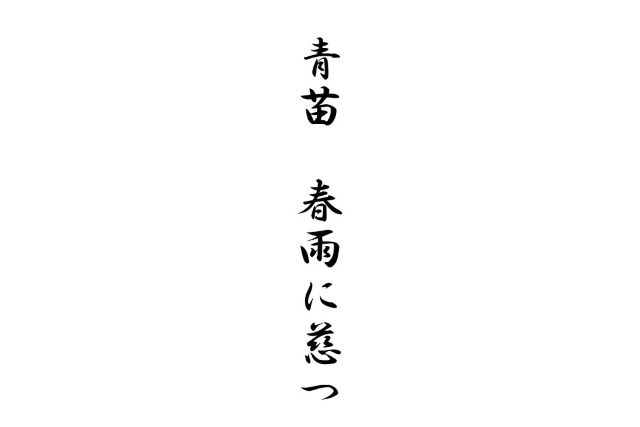
Seibyo,harusam ni sodastu
Zen is difficult. Zen word is also difficult. That’s why I interpret it as I please. I think that’s fine. Enou Zenji, Dogen Zenji, Ikkyu-san, and Ryokan-san are likely to say, “That’s fine, that’s fine. Let it be."
Today is “Seibyo,harusam ni sodastu"
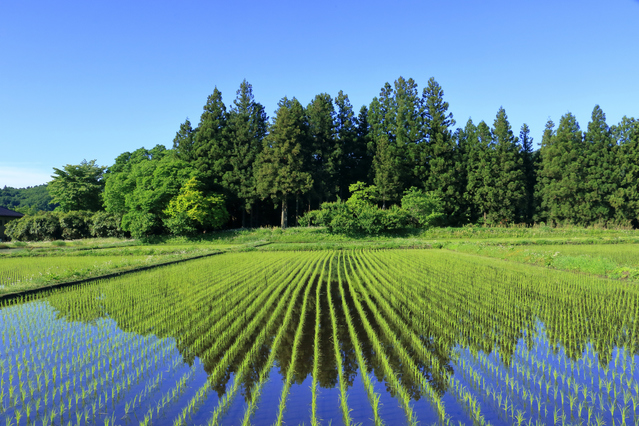
The Frog, the Field, and the Original Japanese landscape
The Simple Lesson of the Paddy Field
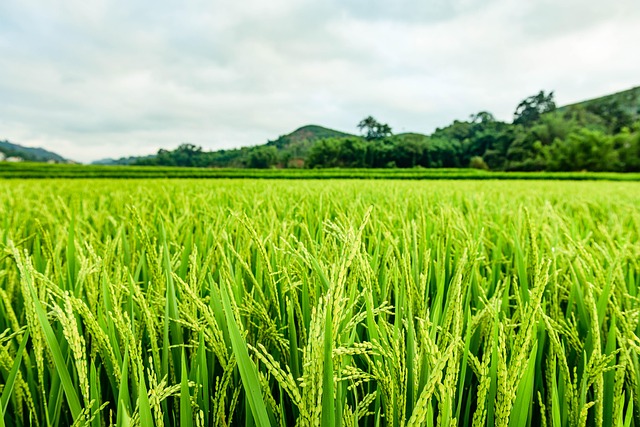
If you grew up in Japan, you know the sound of frogs in the rice fields. It’s a sound that is simply built into the blueprint of a Japanese soul, just like the color of young rice shoots is the color of spring. Rice fields mean frogs. It’s a truth as fundamental as “red means stop."
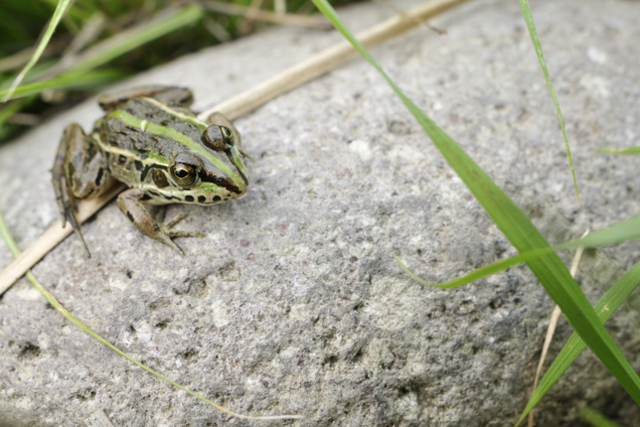
In spring, when the water warms the muddy rice field, the chorus begins. There are so many kinds—forty-eight varieties, half of them native only to this small stretch of islands. But the main players in the everyday drama are the little ones: the Tree Frogs and the grand, noisy ones—the Tono-sama Frogs.
The Tono-sama (which means “Lord" or “Feudal Ruler") gets his name honestly; he is the loudest voice in the marsh, a little dictator of the damp earth.
The Mystery of the Missing Frog
For a child, the frog is a bundle of profound, muddy questions.
In winter, the fields dry out completely. The earth cracks. There is no sign of a frog, there’s nothing to suggest that the rice was growing lushly. They are simply gone.
Then, the water returns. The fields are flooded for planting, and suddenly, magically, there they are. They are back. They just are. They swim with an utterly straight face, alongside the tiny, translucent ghost shrimp. By the time the planting is finished, the water is thick with tadpoles—wiggling possibilities.
And the essential question that settles in every child’s mind is the same: Where did the frog come from?
What We Learn from the Tono-sama Frog
And that, my friends, is the lesson we carry from the rice field into the messy adult world.
Life is full of seasons when the water dries up—when the inspiration, the hope, or the joy seems to have cracked and vanished entirely. We look around and ask, “Where did the good things go? Everything is dry."
But the frog teaches us about endurance and the certainty of return. The important, essential parts of life—whether it’s creativity, or love, or even just the simple sound of happiness—don’t disappear forever. They just go underground, finding a way to survive the drought, waiting patiently for the water to return.
And when the conditions are right, they are back. They are noisy. They are swimming with a straight face. You can count on the frog.
The Great Frog Choir and the Mystery of Silence
Sudden silence
And then there is the sound itself. The choir.When the rice is tall and green, the frogs are not just making noise—they are announcing their deepest desires, singing a loud, boisterous, song of love. You listen to this great, relentless din, this seemingly endless celebration… and then, it stops.
Suddenly. Completely.
In the middle of a warm, rainy night, a profound silence falls over the field. It’s the kind of silence that doesn’t just lack noise, but actively hushes everything around it. It is a shared, universal pause.
And just when you think the show is over, one timid voice—a soloist, perhaps one who couldn’t stand the pressure of the quiet—offers a tentative croak. Just one. Then, as if a hidden conductor has dropped the baton, the entire orchestra explodes back into sound, louder than before.
The Full Picture
But the rice field is not a quiet sanctuary; it is a lively, working community. The frogs are the choir, but the Heron and the Egret are the critics, arriving in the wet season to stalk the singers. Their sharp cries cut through the air, adding another layer to the symphony of survival.
This noisy, watery, busy, sometimes silent, and always active place—this paddy field—is not just scenery. It is the original picture of life.
It is a place where every creature, from the booming frog to the egret preying on a frog, is simply doing what it must do, following the rules of the season, and performing its part in the great, orchestrated drama of existence. Children fall asleep listening to the frogs and feeling the wonder of nature.
The Sound of Memory and the Loss of Generosity
The Limits of Imagination
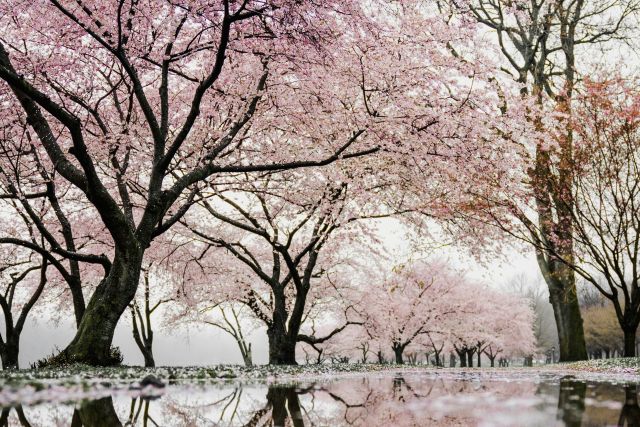
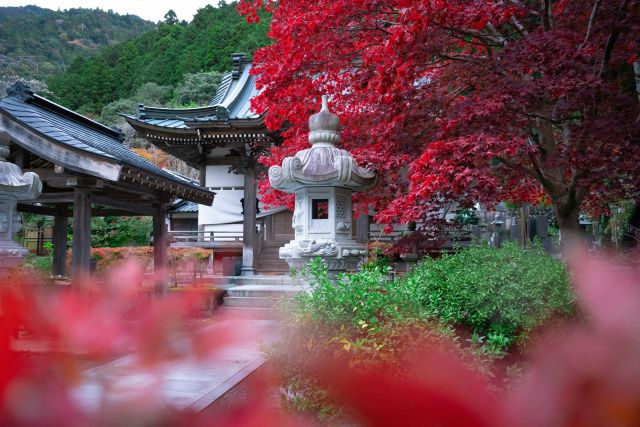
The Chinese poet wrote: “Autumn frost stains the crimson leaves; spring rain nourishes the green shoots."(青苗、春雨に慈つ)
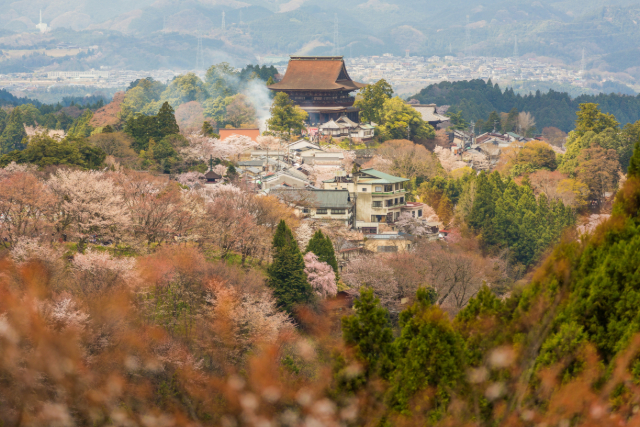
It is a beautiful couplet. For those of us living in the cycle of four seasons, especially in Japan, the picture instantly forms: the lush green of the young rice in the paddy, the blazing red maples against a crisp sky. For a Japanese person, Aonae (green shoots) means the rice that feeds us.
But here is the simple truth: Our imagination is handcuffed to our experience.
A person in the tropics might understand the rain, but the image of frost-stained crimson is just ink on a page. Someone in the desert understands neither. They can look up the image on the internet, yes, but the feeling—the visceral memory of that changing world—remains locked inside the life you have actually lived.
When the Music Becomes Noise
This brings us to the frog.
The frog chorus, a sound that should be etched into the Japanese soul, is currently facing a time of trial. Some people—we might call them the “unblessed" or the “unmoored"—now complain that the ancient sound of the frog is noise pollution.
They tell the rice field owner to “shut up those frogs." This is a profound moment of absurdity. You cannot tell a frog to obey rules. Frogs do not care about property lines or human complaints. The only way to silence them is to remove the water.
But if you remove the water, the rice does not grow.
The frog is not just a singer; he is a part of the ecological machinery that sustains the rice. The life of the frog supports the life of the rice, which in turn supports the life of the human. This is an ancient contract.
The Sound of Intolerance
Those who share this ancient memory—the connection between the croak, the water, and the meal—do not hear noise. They hear the sound of the contract being fulfilled. They hear the sound of the earth working.
But those who call the sound “annoying" are the ones who have lost the memory. They have been cut off from the natural rhythm of life.
And this is the greatest lesson of all, a lesson the frog teaches us about human nature:
When we divorce ourselves from the natural world—from the cycle of seasons and the rhythms of community—we lose our ability to be generous. We lose tolerance.
The frog is too loud.
The cicada is too loud.
The New Year’s bell is too loud.
The sound of children playing is too loud.
These are not new sounds; these are the original sounds of life. When a society begins to complain about the ancient, essential sounds of its own existence, it is a sign that it has lost more than just its tolerance.
The Great Escape: Stepping Away from the Screen
The Cure for the Small Fury
We have just spoken of the great, ancient drama of the rice field: the frogs, the herons, the poetry, and the noise that some now mistake for pollution.
And here is the ultimate, simple instruction we receive from all that memory and rhythm: Stop being angry about the small things, and go outside.
Why? Because the natural world is right there. It is right next door.
We are given an abundance that money cannot buy and that Wi-Fi cannot stream:
The yaung,green shoots nourished by the spring rain (the literal embodiment of the phrase:"Aonae, harusame ni sodastu").
The chorus of frogs, proving that life endures.
The wind traveling through the thick, maturing rice staiks.
The overwhelming, deafening shower of the cicadas’ song (Semi-shigure).
The autumn leaves, wet and quiet under the gentle rain.
The silent, pure descent of white snow.
The Lesson of Perspective
We have all this, yet we often choose the small, glowing smartphone screen instead. We choose the manufactured anger of the timeline over the quiet majesty of the snow.
The essential truth here is one of perspective.
You cannot understand how small your worries are until you place yourself next to something truly large. Step into the field. Feel the wind moving the grain. Stand under the relentless, beautiful noise of the cicadas.
When you immerse yourself in the natural world, you recognize the essential simplicity: You are a small, temporary part of a vast, ongoing, beautiful miracle. Your minor frustrations over a noise complaint or a social media post instantly shrink to their correct, insignificant size.
There is a beautiful sound to that Chinese verse, “Aonae, haru ame ni hagukumu” (Green shoots, nourished by the spring rain). It sounds like life, enduring and simple.
So, put down the phone. The greatest stories, the loudest music, and the truest lessons are waiting for you, just beyond your door. Go and be nourished.
禅語は最高「青苗、春雨に慈(そだ)つ」自然の素晴らしさを知ろう
禅は難しいし禅語も難しい。だから勝手に解釈して勝手に良いと思っている。慧能禅師や道元禅師、一休さんや良寛さんも「それで良い、それで良い、Let it be じゃ」と言ってくれそうな気がする。
今日は「青苗、春雨に慈(そだ)つ」である。
カエルと日本の原風景
突然で恐縮だが田んぼで鳴くカエルの声をご存じだろうか。日本人にとって青苗といえば水田の稲である。田んぼといえばカエルである。春になると稲が育つ水田で盛大に鳴いている。カエルは日本に48種類いてその半分が固有種だそうだ。田んぼにいるのは小さなアマガエルとトノサマガエルである。関東平野と仙台平野はトノサマガエルの代わりにダルマガエルがいる。トノサマ(殿様)とは江戸時代の大名のことをいう。トノサマガエルはその名前にふさわしく勢力が大きい。大声で鳴いているのはトノサマガエルである。
子供にとってカエルは不思議の塊である。冬の田んぼはカラカラに乾いている。カエルの気配はどこにもない。それなのに春になって乾いた田んぼに水が張られると、カエルはいつの間にか戻ってきてすました顔でお化けエビと一緒に泳いでいる。田植えが終わる頃になるとオタマジャクシがたくさんいる。カエルは冬の間どこにいたのか。カエルは両生類だから水がないと生きられないはずだ。乾いた田んぼでどのようにして生きていたのか。疑問は膨らむばかりである。
鳴き声も不思議である。夜の田んぼ、カエルは求愛のために大声を張りあげる。そうかと思うと一斉に鳴き止んでしまう。梅雨の暗闇にしばしの沈黙が続く。やがて遠慮がちに一匹が鳴きだす。するとみんな揃って鳴き始める。まるで指揮者がいるようだ。田んぼにいるのはカエルだけではない。ゴイサギや白鷺がカエルを狙ってやってくる。鳥たちはときおり鋭い鳴き声をあげる。梅雨時の田んぼはまことに賑やかい。子供はそんな声に自然の不思議を感じながら眠りにつく。これが日本の原風景である。
紅葉、秋霜を染め 青苗、春雨に慈つ
「紅葉、秋霜を染め 青苗、春雨に慈つ」中国の詩人の詩である。読んだ瞬間、秋の紅葉や春の若草の風景が脳裏に浮かぶ。実に良い詩だ。日本人にとって青苗は水田の稲である。紅葉は至る所で見られる。この詩の風景は四季のある国で暮らす人にとっては普通である。だが世界の人がみんな同じように感じるのだろうか。熱帯の人は雨のイメージは湧いても紅葉のイメージは浮かばない、砂漠に暮らす人はどちらも分からない。人の想像力は体験に縛られる。いやいやそんな事はないだろう。今はインターネットがあるからどこに住んでいても世界中を知ることができる。みんな同じように感じるはずだ。
だがそうばかりとは言えないことがある。日本人の原風景、カエルの合唱が受難の時を迎えている。鳴き声が騒音であるという罰当たりな人が現れた。「うるさい」と叱ってもカエルが人の言う事をきくはずがない。だから田んぼの持ち主に文句をいう。カエルはクレーマーもオーナーも区別できない。
鳴くのを止めさせるには田んぼからカエルを追い出すしかない。田んぼの水を無くすことが必要だ。だが水を抜いたら稲は育たない。カエルは稲の害虫を食べている。鳴くだけでないのである。稲はカエルを含む田んぼの生態系で育つ。実った米が人の命を支える。日本では古代から稲作が続いてきた。そんな記憶を共有する人はカエルの声が五月蝿いとは言わない。
色んな音に文句をいう人たちがいる。カエルの声がうるさい。セミの声がうるさい。除夜の鐘がうるさい。子供の声がうるさい。それをSNSで怒りを拡散する。みんな昔から聞こえていた自然の音である。それを五月蝿いという人は日本人の記憶を共有しない人だ。自然を知らずに育った人である。人は自然から切り離されて生活をしていると寛容性を失うようだ。
「紅葉、秋霜を染め 青苗、春雨に慈つ」こんな自然が直ぐ近くにある。細かい事に腹をたてていないで外へ出かけよう。春雨に育つ青苗、梅雨の雨のなかに舞うホタル、田んぼで鳴くカエル、茂った稲穂を渡る風、降り注ぐ蝉時雨、秋の雨に濡れる紅葉、静かに降り注ぐ白い雪、有り余る自然がある。素晴らしい景色の前でスマホばかりを見ることもあるまい。「青苗、春雨に慈つ」良い響きの言葉である。