What Is Otoshi? The Japanese Dining Custom That Surprises Many Visitors
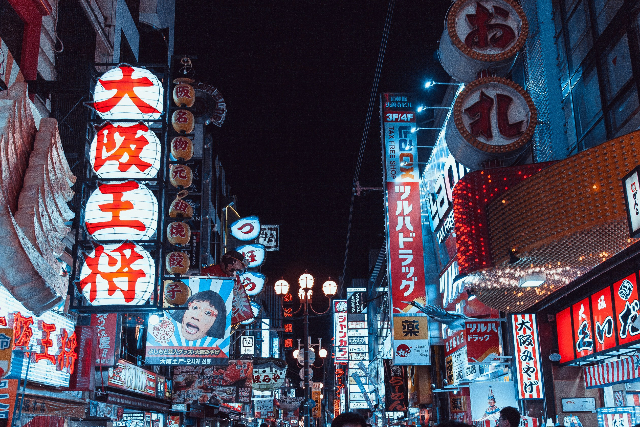
Imagine you’re a tourist traveling in Japan. You aren’t just going to run into famous sightseeing spots or anime subcultures; you’re going to stumble upon a mind-boggling number and variety of restaurants. From sushi joints and soba noodle shops to upscale ryotei, cozy koryoriya, izakayas, standing bars, French, Italian, curry, and steak—Japan has every cuisine and price point imaginable, from dirt-cheap to Michelin-starred.
- 1. What is this “Otoshi お通し" that shows up uninvited?
- 2. A Night Out at the Izakaya
- 3. Happy Hour Means Cheap Booze
- 4. Enter the Otoshi
- 5. Paying for Food You Didn’t Order?
- 6. Professor Yamamoto’s Lecture on Otoshi
- 7. A Scene from an Edo-Period Izakaya
- 8. The True Spirit of Otoshi is Hospitality
- 9. An Old-School Slice of Japanese Culture
- 10. 「お通し」ってなんだ。日本の居酒屋にある不思議なルール
- 11. 注文しないのに出てくる「お通し」ってなんだ
- 12. 居酒屋で飲みたい
- 13. ハッピーアワーはお酒が安くなる
- 14. お通しがやってきた
- 15. 注文していなお通しにお金を払うのは変だよ
- 16. お通しについての山本氏の講義
- 17. 江戸の居酒屋風景
- 18. お通しの本質はおもてなしの心
- 19. お通しは古い日本文化である
What is this “Otoshi お通し" that shows up uninvited?
If you’re a foodie, you’ll probably hit the Michelin spots first. You might savor high-end sushi in Tokyo, marvel at melt-in-your-mouth Kobe beef, slurp flaming ramen in Kyoto, and gorge on takoyaki and okonomiyaki in Osaka. Sooner or later, though, you’ll start getting curious about those ubiquitous local joints: izakayas and koryoriya. What is it actually like where everyday Japanese folks go to drink?
Driven by curiosity, you step into an izakaya. A cute young waitress greets you with a bright smile and sets down chopsticks, small sharing plates (torizara), and sometimes a wet hand towel (oshibori). You order a beer. She zips back to the kitchen and returns with a frothy mug—along with a tiny bowl of food for each person at the table.
“Here is your otoshi," she announces with a touch of solemnity.
You think to yourself, Wait a second, I didn’t order this. Must be on the house! Sweet, let’s drink. Fast forward to the end of the night when the bill arrives. Looking down at the receipt, you see a charge: “Otoshi: 500 yen." They’re charging you for food you never ordered! What is going on here?
Otoshi is a staple of izakayas and koryoriya. An izakaya is the Japanese equivalent of a Western pub—a casual, affordable place for regular people to grab a drink. They serve beer, highballs, shochu, and sake alongside an endless variety of bar food, from fresh sashimi to good old French fries. Many are big corporate chains. Koryoriya, on the other hand, are smaller, independently owned spots that focus more on the food—closer to a bistro or tapas bar—and tend to have a loyal crowd of regulars. That said, the line between the two is pretty blurry.
Simply put, otoshi is that small starter dish served right at the beginning of your meal—sometimes even before your drink arrives—without you ever asking for it. Around 60% of izakayas in Tokyo do this, and today, it’s actually a topic of heated debate in Japan. Let’s unpack the mystery of otoshi through one night in the life of a couple of foreign tourists.
A Night Out at the Izakaya
Outside a station on Tokyo’s Yamanote Line, two giant foreign guys are standing around, looking like they’re trying to figure out their next move. Clearly, it’s their first time in Japan.
“Man, there are bars literally everywhere in this country," one says. “No kidding. Even tucked down these tiny alleys," the other replies.
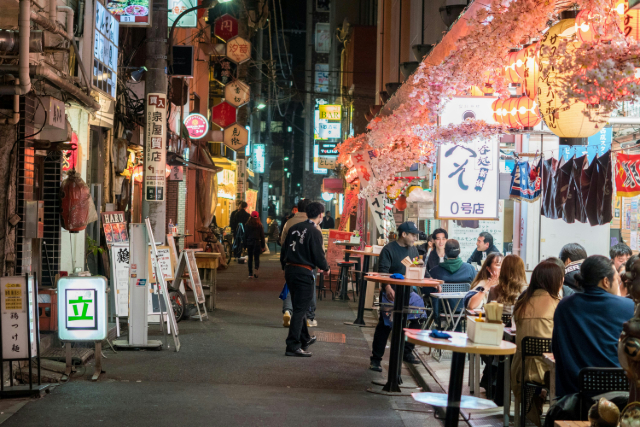
In front of them is a sea of glowing signs for izakayas, yakiniku BBQ joints, restaurants, and soba shops. You can spot an izakaya by the fabric noren curtain hanging over the entrance, and sometimes a red paper lantern swinging outside. These are budget-friendly watering holes where everyday workers unwind, usually starting to buzz around 5:00 PM when the workday ends.
“Since we’re in Japan, we’ve gotta have a drink at a place where normal locals hang out," the first guy says. “Yeah, sure, but what if we aren’t welcome? I don’t wanna make things awkward." “Nah, we’ll be fine. Japan is famous for its omotenashi hospitality, right?"
Psyching themselves up, they pick a spot. No automatic doors here—one of them lifts the noren curtain and slides open the wooden door with a loud clatter. Instantly, they’re hit by a wave of loud chatter, laughter, and delicious cooking smells. The place is packed, with almost every seat at the counter and the tables in the back taken.
“Irasshaimase! Right this way, please!"
A young waitress briskly guides them to a four-person table. She doesn’t look surprised, hesitant, or cold at all—just totally normal. The other customers glance over for half a second, immediately lose interest, and go back to their conversations. Let’s call our two guys James and Jan. They fold their large frames into the tiny izakaya chairs.
“Dude, we’re two massive, Viking-sized foreigners," Jan says. “Shouldn’t they be a little more shocked?" “Right? The vibe is totally different, yet it feels just like a pub back home," James replies.
Honestly, they’re a little let down. They had pictured the whole room freezing, staring at them, and whispering, Why are foreigners in a place like this? Instead, nobody cared. Japanese locals are used to tourists.
Happy Hour Means Cheap Booze
“Welcome!"
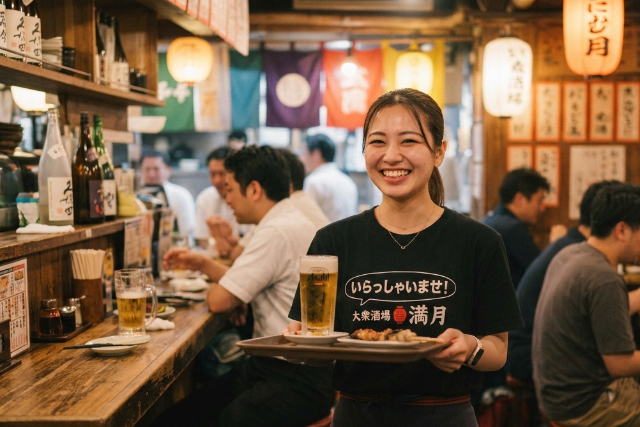
The same waitress comes back to the table with a warm smile, dropping off wet towels, chopsticks, and small sharing plates. She’s petite—especially compared to women back home—with a round face, long black hair, slightly droopy dark eyes, and a cute look in her jeans and black staff T-shirt. She’s adorable. So this is Japanese 'kawaii,’ the two guys communicate silently with their eyes.
“Please order using the touch panel. Just to let you know, there’s a two-hour table limit," she says.
They don’t understand the Japanese, but a tablet is universal—and luckily, it has English and Chinese menus. Tablets are actually pretty rare in traditional joints like this; maybe the place is gearing up for more foreign tourists. Alongside the regular menu stand, there’s a promotional sign showing frosty mugs of beer and soda with huge Japanese text, the number “280," and the words “Happy Hour."
“What kind of drink is a 'happy hour’?" one asks, pointing at the sign.
She gets what he means and giggles at the phrasing. “It means 'shiawase na jikan’—happy time! From 5:00 to 7:00, beer and highballs are half price."
Of course, they don’t catch a word of her Japanese. She takes a tiny breath and switches to broken English: “Happy hour is service time, 5 o’clock to 7 o’clock, beer and highballs—half price!"
“Wow, that sounds like a great time. I’ll have a beer." “Beer!"
“Thank you! Two medium draft beers coming up! Please use the tablet from next time!" She shouts the order toward the kitchen and bounces away with a bright grin straight out of One Piece's Nami. A few minutes later, she returns carrying a tray with two beers and two tiny bowls of food.
Enter the Otoshi
“Here are your beers! And here is your otoshi."
“Otoshi? Hold on, we haven’t ordered any food yet," James says suspiciously.
“Everyone gets otoshi at our restaurant," she replies, smiling like a goddess.
“Did she say otoshi? What is that?" “No idea. Probably freebies on the house," Jan says. “Yeah, must be." “Forget it, let’s drink!"
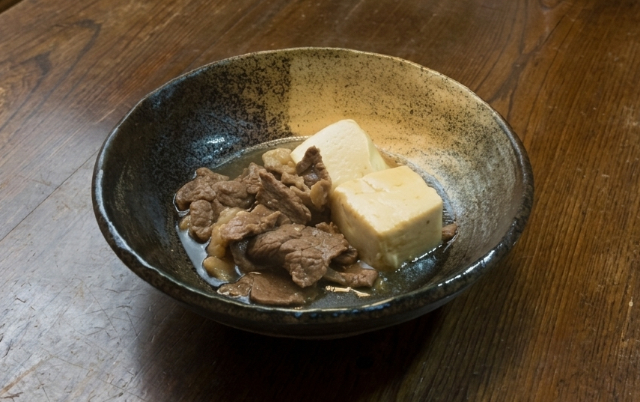
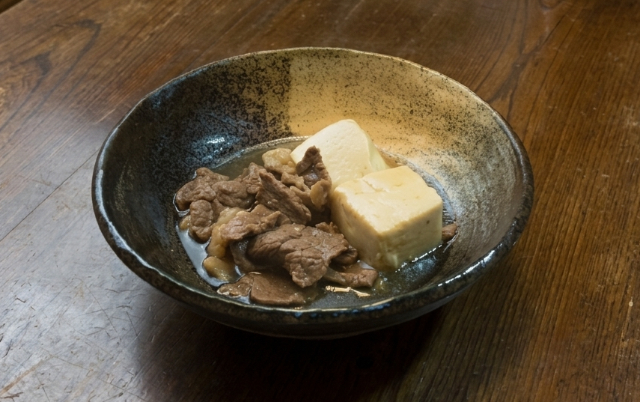
Inside the tiny bowls are simmered eggplant and a stew of beef and tofu. It’s ridiculously good. Without realizing it, James and Jan had just stepped headfirst into the mysterious world of otoshi—a custom that baffles plenty of modern Japanese people, too.
“Let’s order some real food. Gotta make the most of this 'happy time’!"
Flipping through the menu, they find everything: sashimi, tempura, grilled fish, yakitori skewers, bite-sized steaks, salads, fries, octopus-shaped hot dogs, and unfamiliar local dishes like oden and motsuni. They start by tapping in orders for sashimi and tempura. Before long, the buzz kicks in and their voices get louder.
“Think happy hour is just beer and highballs?" “What about sake? What should we eat next?"
An older gentleman sitting at the counter turns around and chimes in, speaking surprisingly good English. “Hey fellas, happy hour is just beer and highballs. And unsolicited advice, but if you come here, you have to try the motsuni."
“Where you boys from? This right here is motsuni," adds the guy sitting next to him—a rugged, craftsman-looking type—holding out a small dish. “Give it a try."
In the dish is a hearty brown stew of meat chunks and vegetables. Motsuni is beef offal slow-cooked with veggies and konjac jelly in a rich miso or soy sauce broth. James and Jan tentatively poke at it with their chopsticks, struggling to pick anything up.
The craftsman bellows across the room, “Hey, Yu-chan! Bring 'em some spoons!"
Aha—so the cute waitress’s name is Yu-chan.
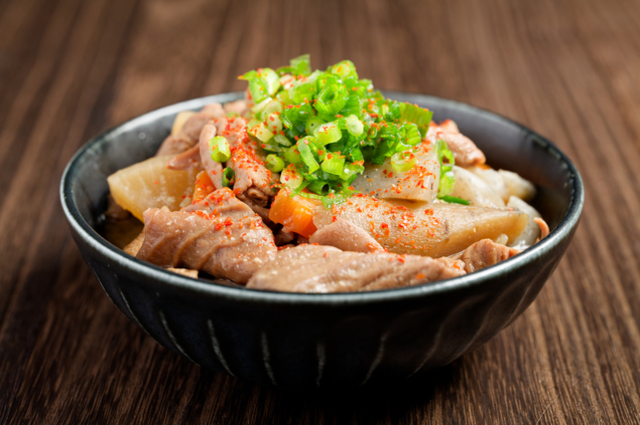
Paying for Food You Didn’t Order?
The motsuni was amazing. Time flew by, and before they knew it, their two hours were up. They wave Yu-chan over and make the universal “check, please" gesture. She taps the tablet, pulling up their itemized bill. The total comes to just over 10,000 yen.
“About 30 bucks a guy?" “Cheap!" “Wait a second… there’s a price next to otoshi. 500 yen." “Isn’t it weird to charge us for food we didn’t even order?"
They look up at Yu-chan. She gives a troubled look, followed immediately by a weary not this again sigh. Clearly, this isn’t the first time tourists have complained about it. Just then, the older gentleman from the counter speaks up again.
“Got a minute, fellas? If you’re not in a rush, I can explain the whole otoshi thing to you."
“Sorry to always put you to work," the restaurant’s owner (the Taisho) says with a laugh.
“Don’t mention it. You guys good on time?"
James and Jan don’t have anywhere else to be, so they nod.
“How about another beer for you two?" the owner offers. “Oh, we already paid our bill." “Forget about it, it’s on the house. Drink up and learn a little Japanese culture! Yu-chan, two more drafts!"
“Coming right up, Boss! Hey, I have a great idea," Yu-chan chimes in. “What’s that?" “Why don’t we film Yamamoto-san’s explanation? We could show it to future customers!"
So the English-speaking older gentleman is Mr. Yamamoto.
“You cool with that, Yamamoto-san?" “My appearance fee ain’t cheap, hahaha!"
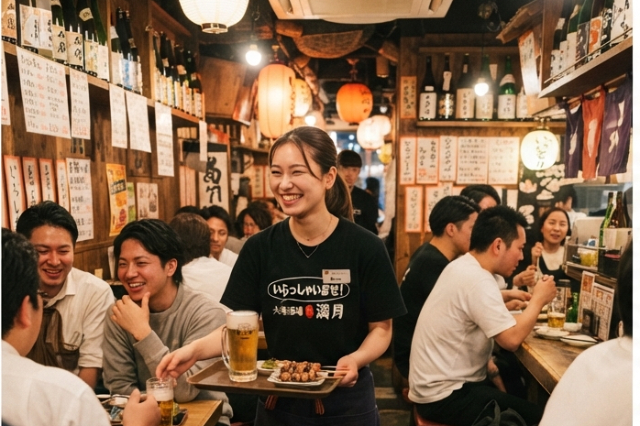
Professor Yamamoto’s Lecture on Otoshi
While the staff excitedly sets things up, two foreign women paying at the register overhear Mr. Yamamoto. One whispers to the other, glancing over at the group. After a quick nod, they walk up. Let’s call them Olivia and Emma.
“Excuse us, could we listen in, too? We were actually super confused about this otoshi thing on our bill."
They look hopefully at Mr. Yamamoto, James, Jan, and the owner. “Of course!"—no guy in history is going to turn down two young women. “Ladies, grab a drink, it’s on the house!" the owner adds. Clearly, the boss has a soft spot for the ladies.
“Mai pen rai!" Mr. Yamamoto blurts out in Thai. Dead silence. Nobody laughs. Trying to play off his bombed joke, he quickly takes a sip from his tiny ceramic sake cup (ochoko). The women order highballs.
“Ahem. Alright, let me explain. It won’t take long, so I’ll keep it in English."
“Otoshi is that small starter dish served at izakayas and koryoriya. We call it otoshi in the Tokyo area, while in the Osaka/Kyoto region, they call it tsukidashi. The word otoshi comes from passing (tosu) your very first order to the kitchen—that’s the cue to bring out the dish. Tsukidashi comes from the staff immediately pushing (tsukidasu) a dish in front of you as soon as you sit down, regardless of what you order."
“Let me take a quick detour into the history of Japanese alcohol. Sake brewing really took off in the 12th century during the Kamakura period, and by the 14th century, clear sake—just like what we drink today—made its debut."
Mr. Yamamoto holds up his ochoko and his small ceramic sake flask (tokkuri), usually served warm, though chilled sake sometimes comes in glass flasks.
“Originally, sake was brewed in western Japan—places like Fushimi in Kyoto and Nada in Hyogo are still famous for it. Now, when did izakayas start? There are different theories, but I bet it was the Edo period. Japan enjoyed a long era of peace, the economy boomed, and regular working folks started spending money on leisure.
Plus, brewers started making sake around Edo—modern-day Tokyo—making booze cheap and easy to get. Back then, Edo was packed with single men who had moved from the countryside for work, so taverns popped up everywhere. If you watch old samurai dramas on TV, you see izakaya scenes all the time. Picture this…"
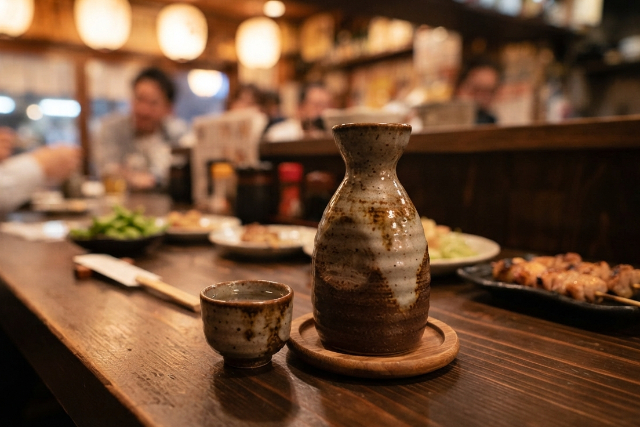
A Scene from an Edo-Period Izakaya
A samurai walks down a bustling Edo street crowded with merchants and street peddlers, a single sword tucked casually into his sash. He’s either a masterless ronin or an off-duty official. Stopping in front of a tavern, he parts the beaded noren curtain with the practiced ease of a regular.
“Welcome in, Master Samurai!" a young serving girl calls out. No matter the century, a young woman’s voice brings life to a room.
“Welcome!" the tavern master yells from behind the counter. A merchant already seated quickly moves to give up his spot.
“No need, no need. I’m off duty today, sit tight," the samurai says, waving him off. “What can I get for you?" “Pour me a flask of sake, and throw together whatever snacks you’ve got." “Right away!"
The girl brings over a flask of sake, a wide sake cup, and a small bowl.
“Tide yourself over with that while I whip up your food," the master calls out as the girl sets down the bowl. Inside are sardines simmered in a sweet-and-savory glaze. The samurai takes a bite.
“Much obliged. Hits the spot."
Mr. Yamamoto is really getting into his storytelling now. Suddenly, Yu-chan gasps, “That’s otoshi! They had otoshi all the way back in the Edo period!"
“How much did it cost back then?" Olivia chimes in.
“Hold your horses, I’m getting to that."
The samurai enjoys his sashimi when it arrives, downs about three flasks of sake, and finally calls out, “Great food and drink as always, master. Tally it up for me."
Wiping his hands on his apron, the master steps out. “Here you go, sir." “Keep the change. I’ll be back."
“That’s pretty much how it went," Mr. Yamamoto explains. “The master didn’t list the price of every single item, and the samurai didn’t ask. Just a flat total. It wasn’t expensive anyway, so nobody worried about it. Even today, high-end sushi bars and ryotei serve chef’s choice courses without telling you the price of each piece."
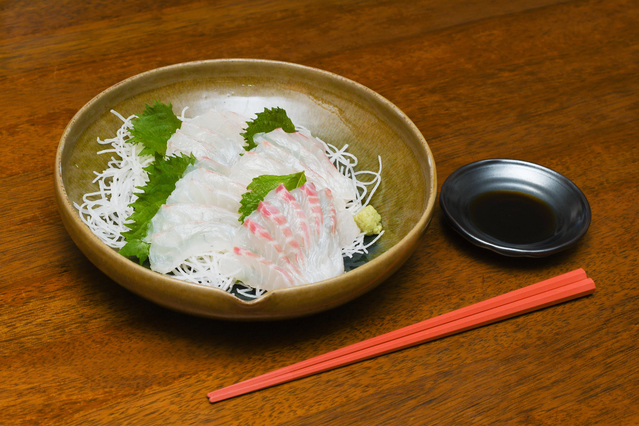
The True Spirit of Otoshi is Hospitality
“The real essence of otoshi is right there in what the tavern master said: 'Tide yourself over with that while I whip up your food.’ It’s a gesture of hospitality—a quick bite chosen by the chef so you don’t have to drink on an empty stomach while waiting for your main order. It’s meant to be fast, delicious, and a showcase of the chef’s pride. Edo locals understood this, so asking the price of it was considered tacky and uncool. That was just proper izakaya etiquette."
“Why not just make it free, then?" Jan asks. “Yeah, if it’s hospitality, charging for it feels weird," Emma agrees. “And not getting to choose what you eat doesn’t make sense," Olivia adds.
The foreign squad fires off questions one after another. Mr. Yamamoto downs another cup of sake and continues.
“People only started complaining about otoshi relatively recently, right around the time fewer young people started drinking alcohol—and when social media blew up. Young folks who rarely went to izakayas would walk in, get hit with an otoshi, and post online about how ridiculous it was to pay for unrequested food. Those posts went viral, and here we are. Back in the Showa era, otoshi was just a given; nobody complained. Because fewer people drink now, fewer people know the unspoken rules of the izakaya."
“To make matters worse, some greedy bars started treating otoshi as an easy cash grab, serving lazy, bad food just to pad the bill. Plus, modern cash registers print out itemized receipts, so people actually see the otoshi charge staring them in the face. All of that combined has led to a lot of pushback, even from Japanese locals. That’s why today, some places don’t serve it at all, or let you opt out."
“Still, at its core, otoshi was meant to be the bar’s hospitality while you wait for your food, and paying for it was the customer’s way of saying 'thank you.’ It was an unspoken pact—not about ordering, just a quirk of Japanese culture. Think of it like tipping in the West to show appreciation. Culture evolves, so things are bound to change, and friction happens when neither the staff nor the customers know the original meaning anymore."
“I get that skipping otoshi is more logical, sure. But I honestly hope this charming little izakaya tradition sticks around. Ordering a drink and nursing that first glass with a great otoshi while waiting for your food… for a drinker, there’s no better moment in the world. And that wraps up my TED Talk. Make sense?"
An Old-School Slice of Japanese Culture
“I get it now—it’s a cultural exchange of hospitality and gratitude," James says. “Though unspoken rules are pretty tricky to navigate! What are we supposed to do if the otoshi tastes terrible or it’s something we hate?"
“In that case, you just write it off as a table charge or a tip and accept your fate," Mr. Yamamoto chuckles. “The labyrinth of Japanese culture runs deep. You either have to find the exit fast, or brace yourself and keep drinking."
“Well, I’m glad to know it’s not just a tourist scam," Emma says. “Thank you so much, Yamamoto-san! And thank you for the drinks, Boss!" Everyone chimes in with their thanks.
“Don’t sweat it," the owner grins. “When you have good drinks and good food, you naturally want to show appreciation—just like tipping. That’s what paying for otoshi means to us. Well, at least it used to, even if fewer people see it that way now."
James, Jan, Olivia, and Emma huddle up and chat for a moment. In their own way, they seem to have made peace with the custom. Their beer mugs are empty.
“Hey, European boys," one of the women says with a grin. “Want to hit up another izakaya with us? Let’s test if Yamamoto-san’s theory holds up!"
“We could definitely go for another round. Let’s do it," James replies.
James settles their tab, thanks everyone in the bar, and heads out into the night with the ladies, who look thrilled with their new plans.
“Ah, to be young," Mr. Yamamoto sighs fondly, watching them walk out the door. Running into fellow travelers who speak your language in a foreign country is always a joy—especially when they happen to be cute young women.
「お通し」ってなんだ。日本の居酒屋にある不思議なルール
あなたが外国人で日本を旅するとしよう。あなたが出会うのは観光地やアニメなどのサブカルチャーだけではない。驚くほどの種類と数の飲食店に出会うはずだ。寿司屋に蕎麦屋、料亭、小料理屋、居酒屋、立ち呑み屋、フレンチ、イタリアン、カレー、ステーキ、高級店から格安店まであらゆる料理と店がある。
注文しないのに出てくる「お通し」ってなんだ
あなたがグルメに興味があればまずミシュランで紹介された店に行くだろう。東京の高級寿司店で舌鼓をうち、神戸のステーキ屋で神戸牛の柔らかさに驚き、京都で炎が燃え上がるラーメンを食べるかもしれない。大阪のたこ焼きやお好み焼きを試してみるだろう。そのうち何処にでもある居酒屋や小料理屋が気にかかるようになる。日本人の庶民が飲む店はどんな雰囲気なのだろうか。
あなたはそう思って一軒の居酒屋に入るとする。すると店員のかわいいお嬢さんが笑顔で迎えてくれる。彼女は、お箸と取皿(料理を取り分ける小さな皿)、ときには「おしぼり」をテーブルに置いていく。あなたがビールを注文すると彼女は足早に調理場に戻りビールが注がれたジョッキを持ってくる。ジョッキとともに人数分の小鉢が置かれる。小鉢のなかに少量の料理が入っている。
「お通しです」彼女は厳かに言う。
あなたは思うだろう。こんな料理は頼んでいないぞ。きっとサービスに違いない。さあ飲もう。そうして飲み代を払う時間になる。置かれた請求書を見ると「お通し」500円がしっかり書いてあるではないか。注文していない料理を請求してくる。どうなっているんだ。
「お通し」が出されるのは居酒屋や小料理屋である。居酒屋は庶民が安い金額で酒を飲める場所だ。西欧で言えばパブだろう。ビールやハイボール、焼酎や日本酒、酒に合う色んな料理がある。その種類はお刺身からフライドポテトまで豊富だ。企業が経営するチェーン店も多い。小料理屋は個人経営のこじんまりとした店だ。こちらは料理に重点が置かれる。ビストロやバルに近い。常連客が多いのも特徴だ。とはいえ居酒屋と小料理屋の境界は限りなくあやふやである。
居酒屋や小料理屋で最初に出される小鉢に入った料理が「お通し」である。酒より早く出てくることもある。それは注文しないのに出てくる。東京では60%の居酒屋が提供している。今、日本では注文をしなくても出される「お通し」ついて賛否が別れている。今回はその「お通し」について、外国人観光客の一夜の体験を通して説明したい。
居酒屋で飲みたい
山手線のとある駅前、二人の体の大きな外国人が立っている。彼らは日本は初めてらしい。これからどうしようと考えている風である。
「日本というのは何処へ行っても飲み屋があるな」
「ほんとだな、小さな路地にもある」
彼らの前には、無数の居酒屋や焼肉屋、レストランや蕎麦屋が看板を出している。暖簾がかかっているのが居酒屋だ。赤い提灯が下がっている店もある。居酒屋は庶民の財布でも酒を楽しめる安い飲み屋だ。店は会社が終わる5時頃から忙しくなる。
「せっかく日本に来たのだから、普通の日本人が飲む店で一度は飲んでみたいんだ」
「そうだな、でも差別されないか。店の雰囲気が気まづくならないか」
「大丈夫だろう、日本は「おもてなし」の国だそうだから」
そんな事を言いながら一軒の居酒屋を選んだ。店は自動ドアではなかった。暖簾を片手で持ち上げて引き戸に手をかける。戸がカラカラと音をたてて開くと、大きな話声や笑い声、料理の匂いが押し寄せてくる。店は混んでいた。カウンターと後ろにあるテーブル席はほぼ満席である。
「いらっしゃいませー、こちらのほうへお願いします」
若い女性店員が二人をテキパキと4人掛けの席に案内する。彼女に外国人をみた驚きも躊躇いもない。冷たい雰囲気もない。普通である。客もチラッと視線を向けるが直ぐに興味を失い自分達の話に戻る。二人の名前を仮にジェームスとヤンとしておこう。二人は身体をすくめるように椅子に腰かけた。居酒屋の椅子は小さい。
「おい、バイキングみたいな大男の外国人だぞ。もっと驚いても良いんじゃないか」ヤンが言う。
「そうだな、店は随分違うが、これじゃ故郷のパブだ」ジェームズが応える。
二人は何か物足りない。彼らが店に入れば、みんなが一斉にみつめ、なんでこんな店に外人が来るんだとひそひそと話す、そんな雰囲気を想像していたが拍子抜けである。日本人は外国人に慣れている。
ハッピーアワーはお酒が安くなる
「いらっしゃませ」
さっき案内してくれた女性店員が席にやってくる。彼女はにっこりと笑うと、二人の前に、おしぼり、箸、取り皿(料理を分けるときに使う小さなお皿)を置いて行く。丸顔にロングの黒髪、少しタレ目の黒い瞳、店のロゴの入った黒いTシャツ、ジーンズ姿の可愛い娘である。彼らの母国の女性と比べるととても小柄だ。「可愛いな」「これが日本の可愛いだな」二人は目で会話をした。
「ご注文はタッチパネルからお願いします。2時間制になってますので宜しくお願いします」
日本語なのでよく分からないがタッチパネルはわかる。タッチパネルには英語と中国語の説明があった。こういう店でタッチパネルは珍しい。外国人対応かもしれない。テーブルの端にメニュー表が立てられていた。それとは別にビールの入ったジョッキと炭酸飲料の入ったジョッキの写真のパネルがあった。大きな日本語と280という数字が書いてある。happy hourの文字もある。
「What kind of drink is a “happy hour."?」
指さして聞くと意味が通じたらしい・
「幸せな時間」質問が可笑しかったのか彼女はコロコロと笑う。
「5時から7時はハッピーアワーと言ってビールとハイボールが半額になるんです」
もちろん二人にはわからない。彼女はちょっと息をすって
「Happy hour is service time, “5 o’clock to 7 o’clock," beer and highballs—half price」
「Wow, that sounds like a great time. I’ll have a beer」
「Beer」
「ありがとうございます、生中二つでーす。次からはタッチパネルからお願いします」
彼女は大きな声で厨房に告げるとワンピースのナミのように笑って戻って行った。生中というのは「生ビールの中ジョッキ」の略である。彼女はしばらくしてお盆にビールと小さな鉢の入った料理を持ってきた。
お通しがやってきた
「ハイ、ビールです。お通しも置きますね」
「お通し、まだ料理は注文してないぞ」ジェームズが訝しげに言う。
「当店ではお通しを取って頂いてます」彼女は女神のように笑っている。
「お通しって言ったよな、なんだろう」
「なんだろう、サービスじゃないのか」ヤンが応える。
「多分そうだろう」
「それより、早く飲もうぜ」
小鉢(小さな鉢のことだ)に入っていたのは「茄子の煮物」と「豆腐と牛肉の煮物」だった。とても美味かった。ジェームスとヤンは、このとき現代日本人にとっても不可解な「お通し」の世界に踏み込んだのである。
「料理を早く頼もうぜ。幸せな時間を楽しまないとな」
メニューを開くと、お刺身、天麩羅、焼き魚、焼き鳥、一口ステーキにサラダ、フライドポテトやタコチャンウィンナー、馴染みがないおでんやもつ煮、なんでもあるじゃないか。まずはお刺身とテンプラを頼もう。メニューを見てタッチパネルで注文する。そのうち二人は酔ってきて声が大きくなる。
「ハッピーはビールとハイボールだけかな」
「日本酒はどうかな、次の料理は何にしよう」
それを聞いていた初老の男性がカウンターから振り返って英語で話しかける。
「外人さん、ハッピーアワーはビールとハイボールだけだよ。それと余計なことだけど、この店に来たら「もつ煮」を食べなくっちゃ」
「外人さん、どこから気なすったね。もつ煮はこれだよ」
初老の男性の横に座っていた職人風の男が小さな皿を差し出した。
「食べてみねえ」
皿の中に茶色い肉の塊りや野菜を煮込んだものが入っていた。もつ煮は牛の内蔵を野菜やこんにゃくを味噌や醤油で味付けして煮込んだ料理だ。二人は恐る恐る箸を伸ばすがうまくつかめない。職人風の男が大きな声をだした。
「ゆうちゃん、スプーン持ってきて」
女性店員はゆうちゃんというらしい。
注文していなお通しにお金を払うのは変だよ
モツ煮はとても美味しかった。そんな風に楽しく飲んでいると2時間が終わり帰る時間になった。会計をしてとジェスチャーで伝える。ゆうちゃんがタッチパネルを操作すると注文した品と値段が出ていた。二人合わせて1万円ちょっとだった。
「一人30ドルくらいか」
「安いね」
「お通しに値段が付いてるぜ、500円だ」
「注文していないのに、お金を払うのはおかしくないか」
ゆうちゃんを見上げると困った顔をした。次に「またか」というようにうんざりした表情が浮かんだ。文句を言われることがあるらしい。そのとき初老の老人がまた声をかけてきた。
「外人さん、ちょっと時間はあるかな。あれば僕が「お通し」について説明するよ」
「いつもすまないね」店の大将(経営者)が笑いながら言う。
「いいってことよ。外人さんは大丈夫かな」
二人は次の予定が有るわけでもないので頷いた。
「お二人さん、ビールはどうだい」
「俺たち、もう会計を終わったよ」
「いいってことよ、店の奢りだ。飲んでくれ。日本の文化を勉強していってよ。ゆうちゃん生中二つね」
「は〜い、大将。いい考えがあるんですけど」
「なんだい」
「山本さんの説明を動画にとったらどうかな。これから使えるよ」
英語の堪能な初老の男性は山本さんというらしい。
「山本さん、いいかな」
「出演料は高いよ、あはは」
お通しについての山本氏の講義
二人の外人と関係ないところで話がどんどん進んでいく。そのとき外人女性の二人組がレジで支払いをしていた。その一人に山本さんの言葉が聞こえたらしい。こちらを見ながらもう一人に何かを話している。一人が頷くともう一人がやってくる。仮にオリビアとエマとしよう。
「私たちも説明を聞かして貰ってよいですか。お通しというのが分からなくて困っていたんです」
彼女たちが、山本さん、ジェームスとヤン、大将を見る。「もちろん」男性二人に若い女性を断る理由はない。「お嬢さんたちも何か飲むかい、奢りだ」大将は女性に弱いらしい。
「マイペンライ」山本さんが言ったが誰も笑わない。沈黙が流れる。彼はすべってしまったのをごまかすように慌ててお猪口(日本酒を飲むときに使う小さなコップ、陶器が多い)に口をつける。女性たちはハイボールを頼んだ。
「おほん、では説明するよ。そんなに長くないので英語だけで通すよ」
「お通しは居酒屋屋や小料理屋で最初に出されるおつまみや小鉢の料理のことを言う。お通しというのは関東で、関西では突き出しとよばれる。お通しは最初に受けた注文を厨房に通したのを合図に出される。そこからお通しなった。つき出しは注文に関係なく客が席に着くと店側が最初に突き出すようにさっと出すからつき出しだ」
「少し横道にそれるけど日本の酒の歴史を紹介しよう。日本で酒作りが盛んになったのは12世紀の鎌倉時代だ。14世紀頃の室町時代になると清酒が登場する。今の日本酒と同じ透明な酒だ」
山本さんは自分のお銚子を持ち上げる。お銚子は酒を入れる陶器の小さなボトルである。お燗(日本酒を温めること)をして飲むのが普通だ。冷酒を入れるガラスのお銚子もある。
「最初、酒は関西で作られていた。今でも京都の伏見や兵庫の灘に有名な酒蔵ある。さて居酒屋がいつ頃からあったのか。色んな説があるけれど僕は江戸時代だと思う。平和な時代が長く続き貨幣経済が成熟して庶民も遊行にお金を使うようになった。また関東でも酒が作られるようになったから入手しやすくなったから居酒屋が増えた」
「テレビの時代劇(江戸時代やそれ以前の社会を舞台にしたドラマ)は居酒屋のシーンが良く出てくる。鬼平犯科帳や暴れん坊将軍は特に多いね。江戸は、今は東京だけど、圧倒的に地方から出てくる人が多く男社会だったから酒場も多かった。当時の居酒屋の風景を想像するとこんな感じになる」
江戸の居酒屋風景
町人や物売りが行き交う江戸の通りを一人の侍が歩いている。着流しに刀を一本「落とし刺し」さしている。浪人か非番の役人のようだ。侍は一軒の居酒屋の前で止まると成れた手つきで玉暖簾を上げて店に入る。店の常連客のようだ。
「いらっしゃいまし、お侍さん」
手伝いの娘が声をかける。いつの時代でも若い娘の声はみずみずしい。
「いらっしゃい」
オヤジがつけ場(厨房)から声をかける。先に来ていた町人が慌てて席を譲ろうとする。
「いいんだ、いいんだ。今日は非番だ。気にしないでくれ」
「いかがいたしましょ」
「おう、酒を一本つけてくれ。つまみは適当にな」
「はい、少々お待ちを」
娘が銚子とぐい呑み(大きめのお猪口)、そして小鉢を持ってやって来る。
「料理ができるまで、それで凌いでくだせぇ」
オヤジがつけ場から言うと娘は小鉢を差し出した。中にはイワシを甘辛く煮た物が入っている。侍は一口つまんで。
「これはありがたい、美味いねぇ」
山本さんの話は佳境に入ってきた。そのとき、ゆうちゃん大きな声をあげた。
「お通しだ。江戸時代からお通しがあったんだ」
「いくらくらいだったのかしら」オリビアが口を出す。
「まぁまぁ、もう少し先があるんだよ」
侍は小鉢のあとに出てきたお刺身に舌鼓をうちながら銚子を三本ほど飲んでからオヤジに声をかけた。
「美味かったぜオヤジ、酒も料理もな。勘定をしてくれ」
オヤジが前掛け(エプロン)で手を拭きながらでてくる。
「へい、これでございやす」
「おう、釣りはいらねぇ。また来るぜ」
こんな風だったんだろうね。オヤジは料理の一品毎の値段を言わないし侍も聞かない。合計金額だけだ。値段もそれほど高くないから聞かなくても大丈夫だった。今でも高級寿司店や料亭はコース料理やおまかせで一品の価格は明らかにしない。
お通しの本質はおもてなしの心
「お通しの本質はオヤジの「料理ができるまで、これで凌いでくだせぇ」という言葉にあるんだ。料理が出来るまでの時間、自分が選らんだ料理を酒の肴にしてもらう、オヤジのおもてなしの一品なんだ。お通しは美味くて早く出せるように作られている。料理人としてのプライドをかけた料理だ。江戸っ子は、それを知ってるから値段は聞かない。聞くのは野暮と考えた。それが居酒屋の作法だったんだね。
「サービスにしたら良いのじゃないか」とヤン。
「サービスだったら、お金をとるのは変です」とエマ。
「選べないのはおかしい」オリビアがいう。
外人チームから次々と質問がだされる。山本さんはお猪口の酒を一杯飲むと話を続けた。
「居酒屋のお通しについて、あなた達が言うような疑問がで出たのはお酒を飲まない人が増えた頃からだ。それはSNSが流行りだした頃でもある。居酒屋へめったに行かない若者が、居酒屋でお通しに遭遇して、注文していないのにお金をとるなんておかしいとSNSに上げ、それに共感する人がいたことから今のようになっている。昭和の頃はお通しは当たり前で、誰も文句を言ってなかった。酒を飲む人が減ったため居酒屋の作法を知らない人が増えたんだ。
お通しを商売のネタと考えて、あまり美味しくないお通しで儲けようとする店が増えた。それに加えて、レジの機械が発達して明細を出すようになった。商売だからお通しも値段をつける。それを見ておかしいと思う人が増えた。そんな事情が重なってお通しを批判する日本人が増えた。だからお通しを出さない店や拒否できる店もある。
でも本来、お通しは料理をつくる間の店のおもてなしだった。客はそれに感謝して代金を払う。店とお客の暗黙のルールだったんだよ。注文したとかしないじゃないんだ。そういう日本の文化なんだよ。西欧人も感謝を示すためにチップを渡すだろう、それと同じだよ。文化は変わって行くものだから仕方ないけど、店もお客も本来のルールを知らないから色々と問題が起こるんだ。
僕は、お通しが無いのは合理的だけど、このちょっと小粋な居酒屋文化は残って欲しいと思っている。酒を注文して料理が出てくるまでにお通しで飲む一本、これが美味いんだ。酒飲みには答えられない一瞬だよ。これで僕の話は終わりだと分かってくれたかな。
お通しは古い日本文化である
「お通しはおもてなしと感謝の気持ちでなりたつ日本文化だと分かりました。でも暗黙のルールは分かりにくいね。不味いお通しや嫌いなお通しが出てきたらどうするんですか」ジェームスが質問する。
「そのときは、テーブルチャージやチップと思って諦めるんだね。日本文化の迷宮は闇が深いから、さっさと出口を探すか腹を据えて飲むかも決めなくてはいけない」
「単なる押し付けでないことが分かりました。ありがとう山本さん、それに大将、飲み物ありがとう」エマが言うとみんながお礼を言った。
「いいってことよ。美味い飲み酒を飲み、美味い料理を食べると感謝したくなる。チップもそうだろう。それがお通しに払う代金の意味なんだ。日本人はそう考えるんだ。今はそうでない奴も増えたけど」
ジェームスとヤン、オリビアとエマが何かを話している。彼らなりになんとなく納得したようだ。もうジョッキのビールはない。
「ねぇ、ヨーロッパの男性たち、私達ともう一軒居酒屋へ行ってみない。山本さんの説明が本当か試しにいこうよ」
「もう少し飲みたいから、居酒屋へ言っても良いね」
ジェームスが、自分たちの飲み代を払い店のみんなにお礼を言って出ていった。女性たちはご機嫌のようだ。「若い人はいいねぇ」その後ろ姿を山本さんはしみじみと言った。外国で自分の言葉が通じる同国人に出会うのは嬉しい。それが若い女性ならなおさらだ。